
Exploring the Foundations of Elementary Particles
We study the fundamental particles and forces of the Universe through collaborative international research with leading physics groups worldwide.
the Building Blocks of the Universe: Elementary Particle Physics
We aim to answer fundamental questions about particles and forces through experimental data from CERN, KEK, and neutrino experiments, combined with theoretical calculations and detector R&D essential for the extreme radiation environment expected at the FCC. We will test the Standard Model with precise measurements and searches for new physics, and explore the behavour of matter at extreme densities and temperatures, the properties of neutrinos, and Grand Unified Theory scenarios.

Experimentally probing the properties of fundamental particles: quarks, leptons and gauge bosons.

Developing innovative detection techniques and performing R&D for future detector apparatuses.

Formulating new theories of particles beyond the Standard Model and conceptualizing the possible experimental outcomes.
Key DATes in Elementary Particle Physics
Explore significant events that have shaped the field of elementary particle physics. This timeline highlights both general milestones and those specifically related to FORTE.
experimental effort: from the lab to large international facilities
Our laboratories where design and testing of technologies starts.
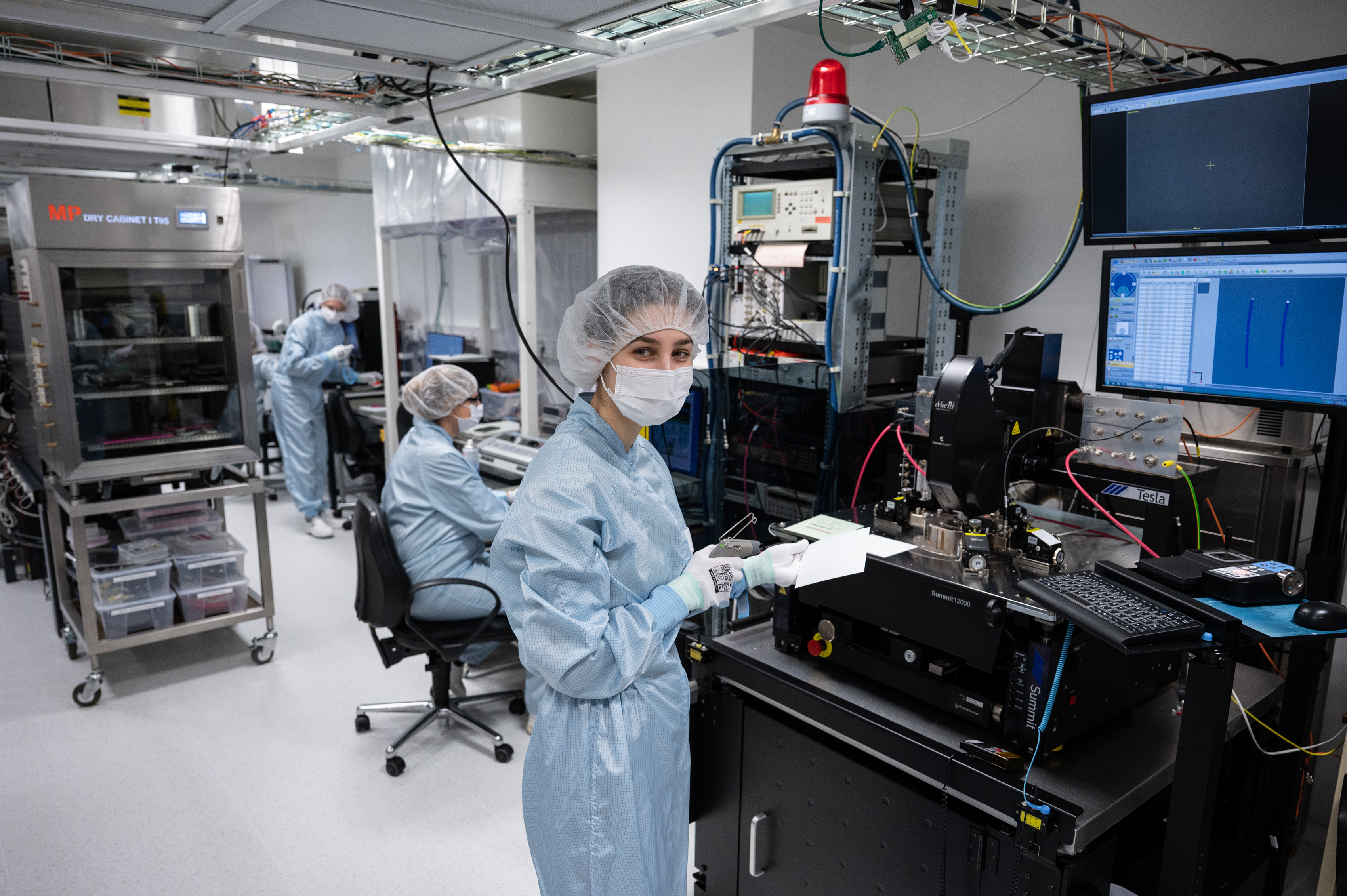
Clean laboratory for particle detector R&D
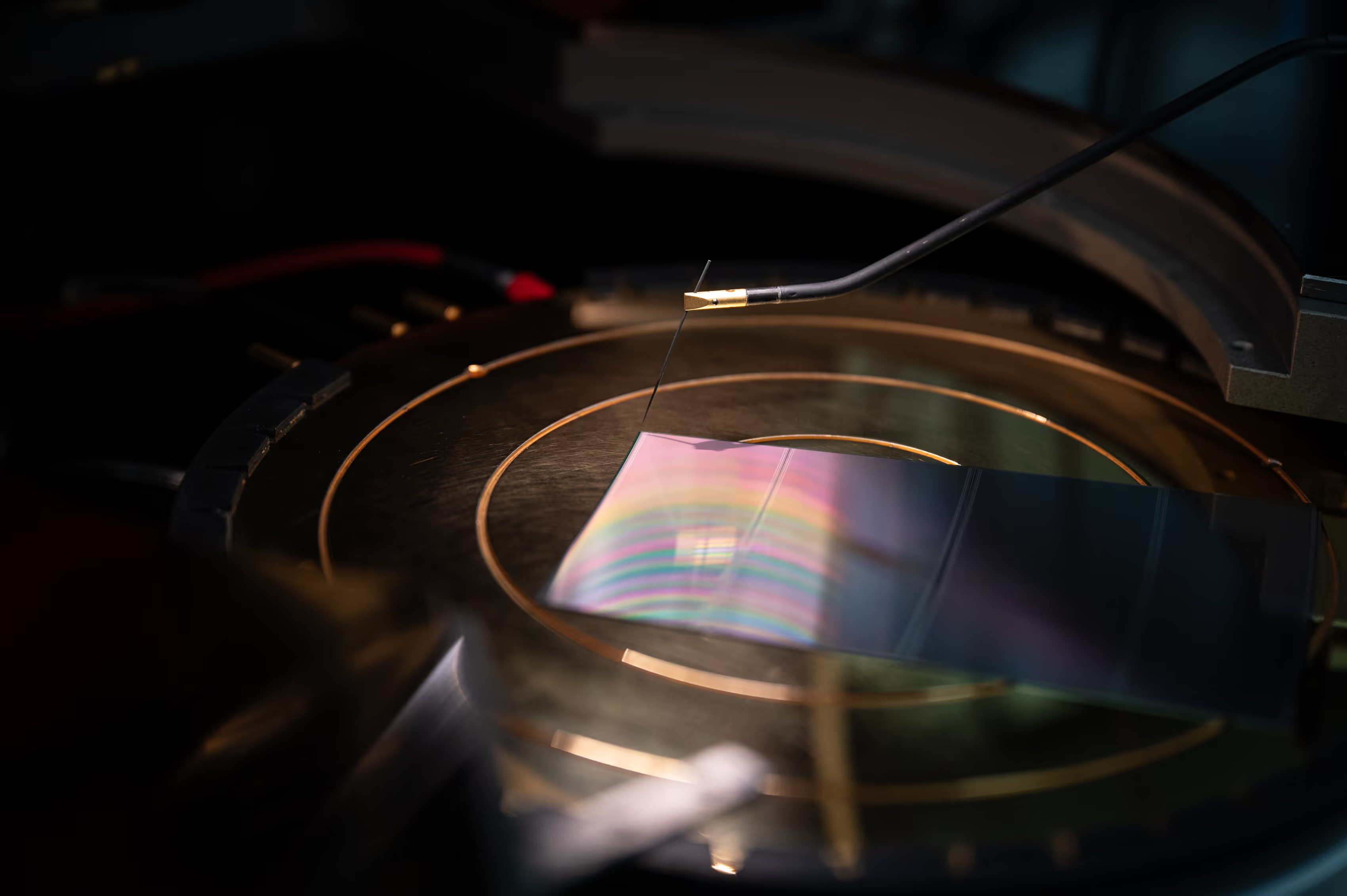
We develop and test silicon tracking detectors for the ATLAS Inner Tracker at the HiLumi-LHC, including irradiation studies, test-beam measurements, and radiation-hard sensor SiC development for operation in the extreme radiation environments of the Future Circular Collider.
Photosensor laboratory
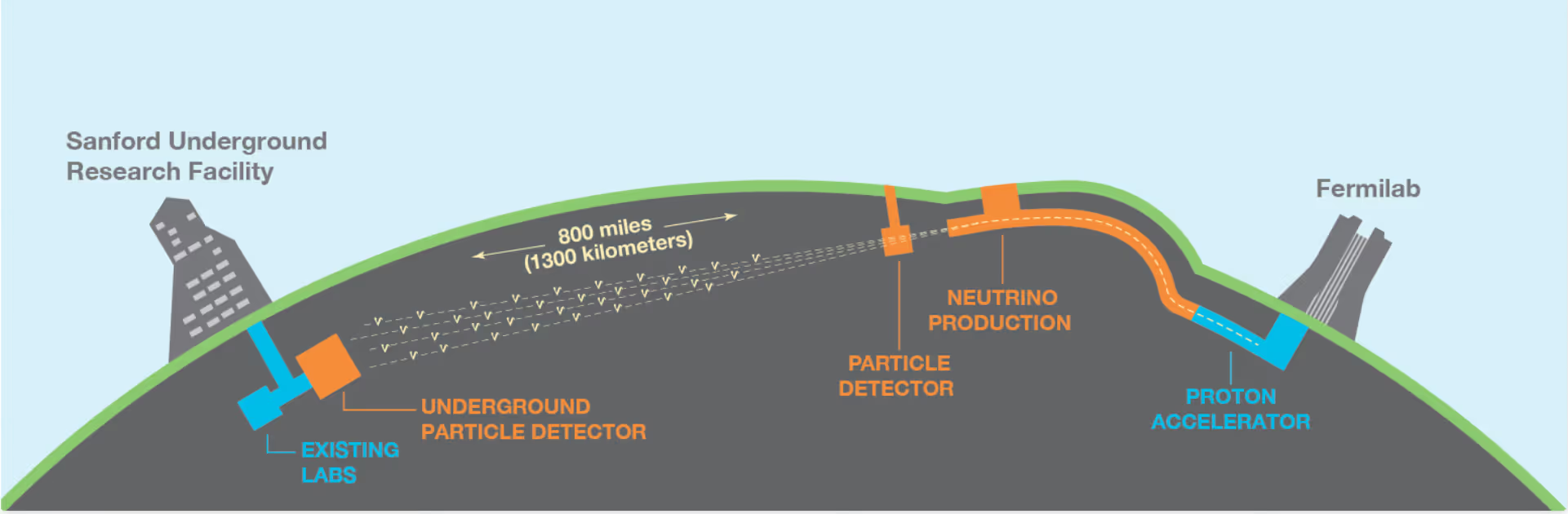
Based at FORTE partner FZU, the laboratory is used in research and testing of photosensors. We currently focus on testing of silicon photo-multipliers at cryogenic temperatures and preparing them to be used in detectors for the DUNE neutrino experiment.
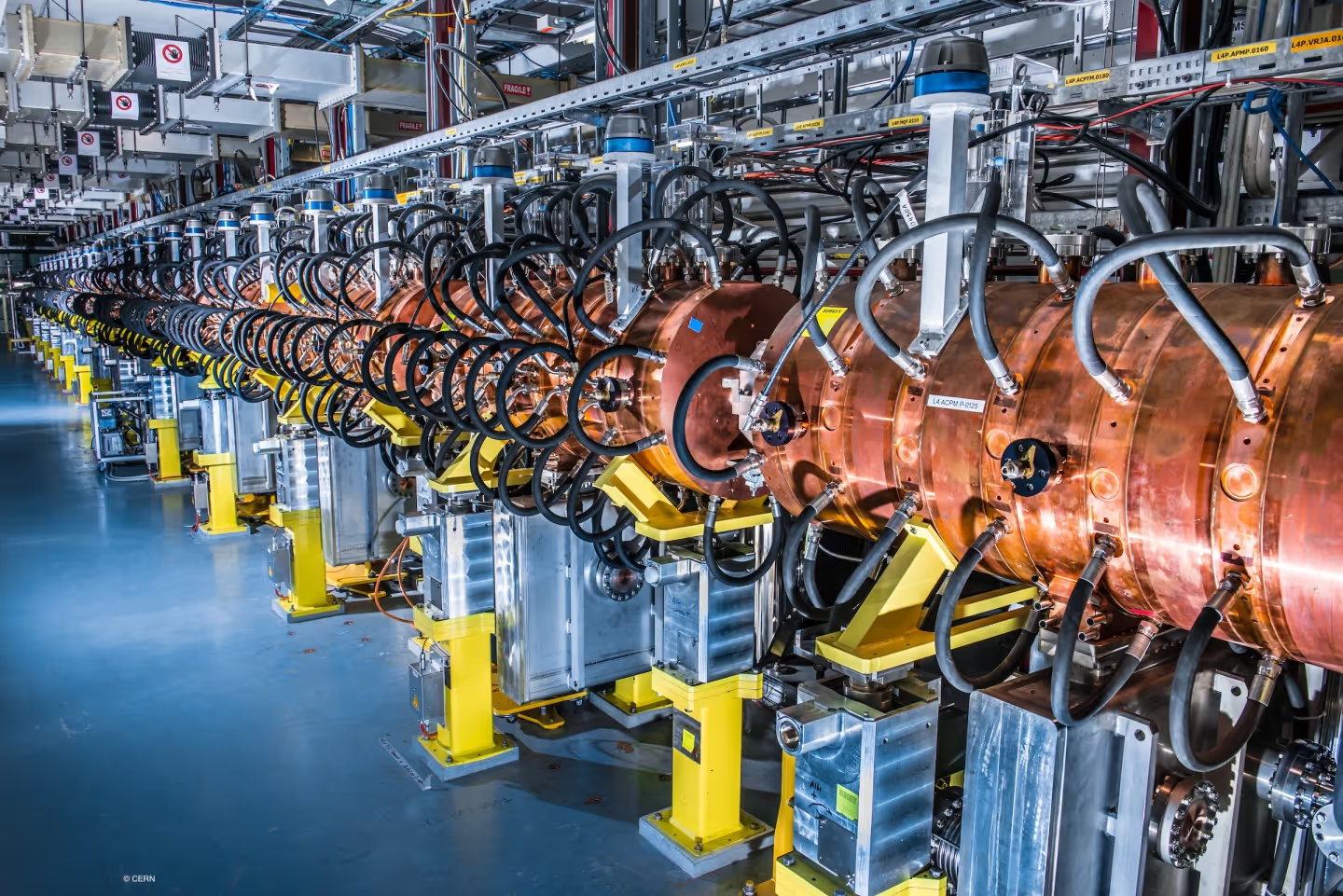
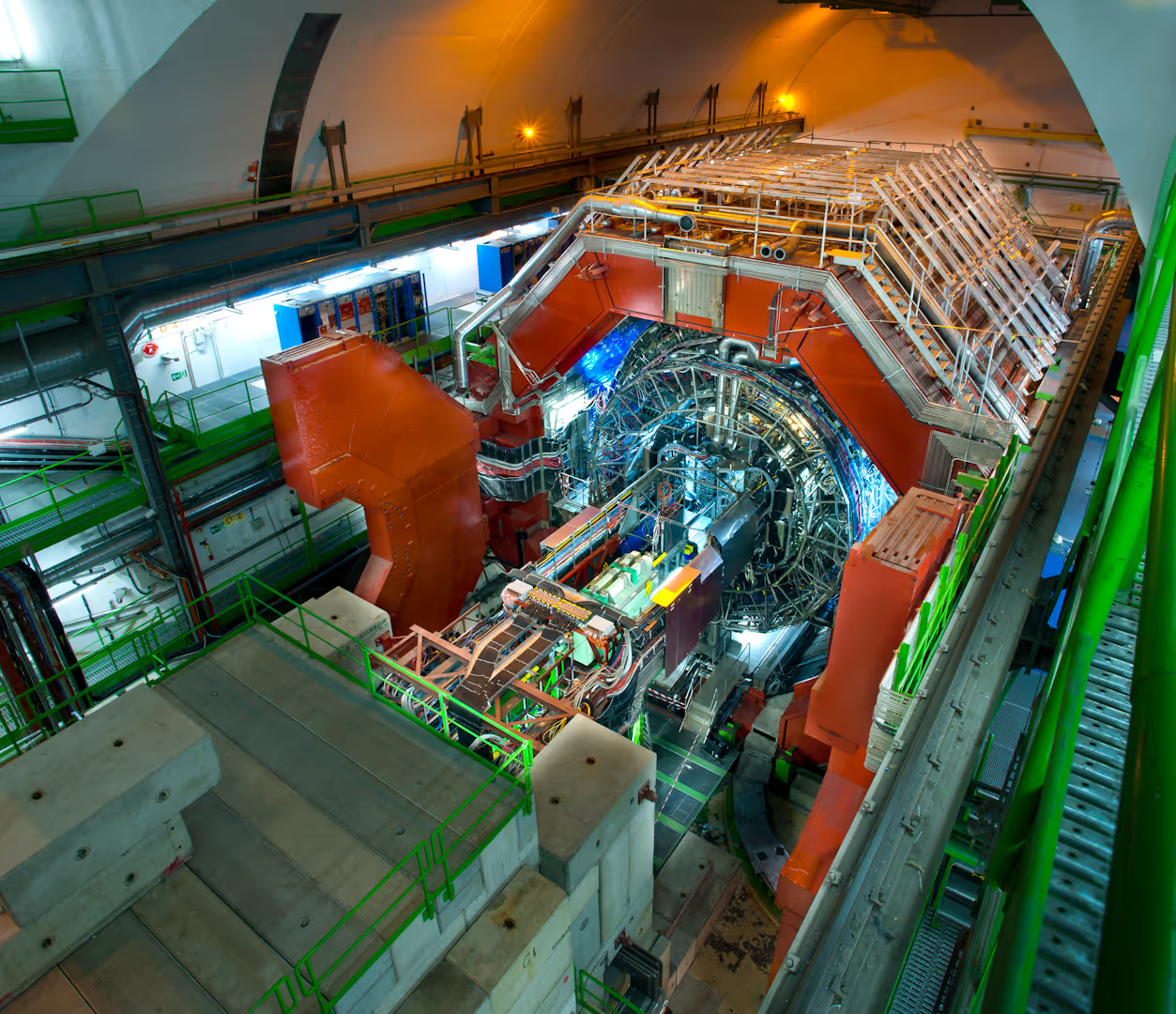
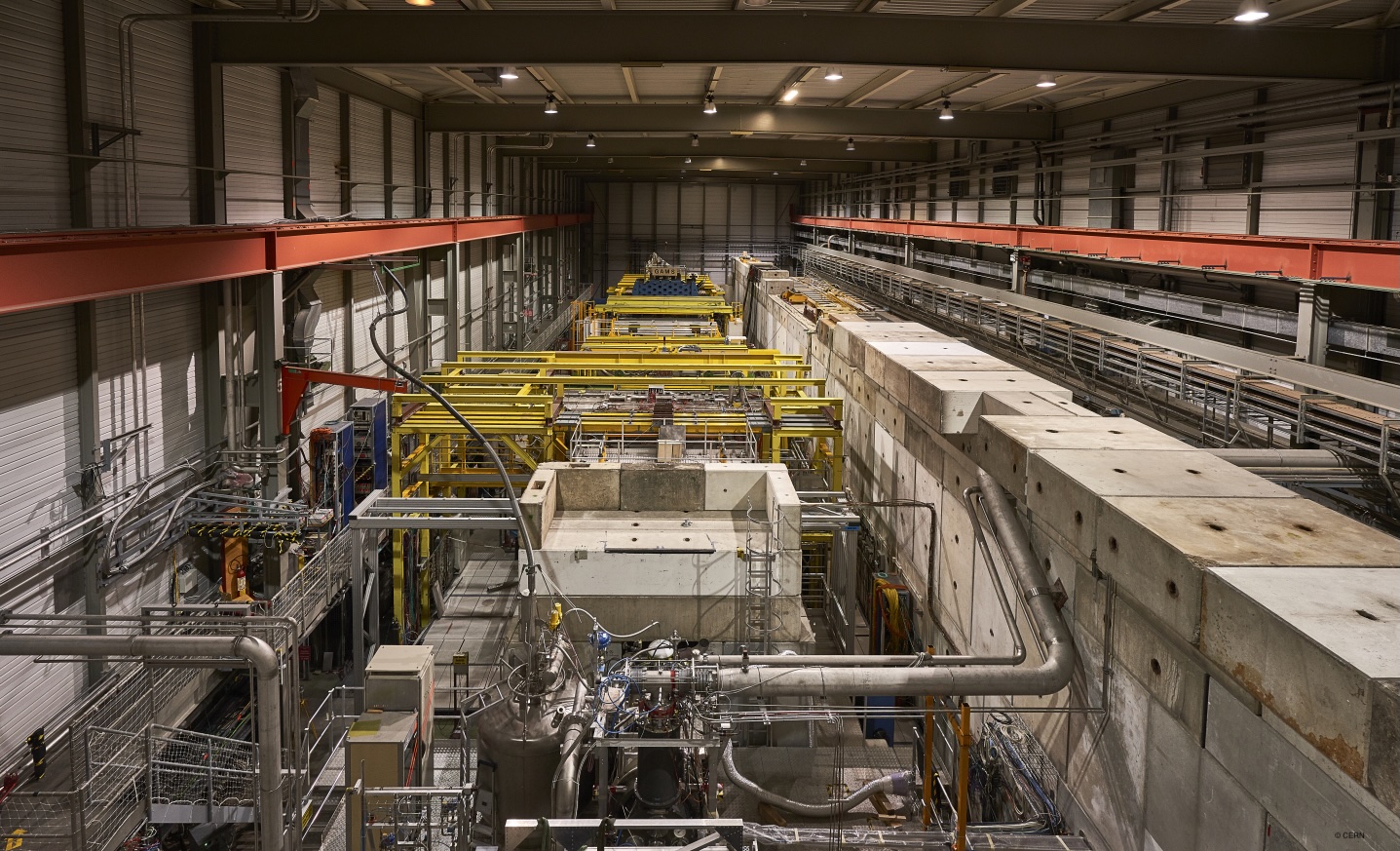
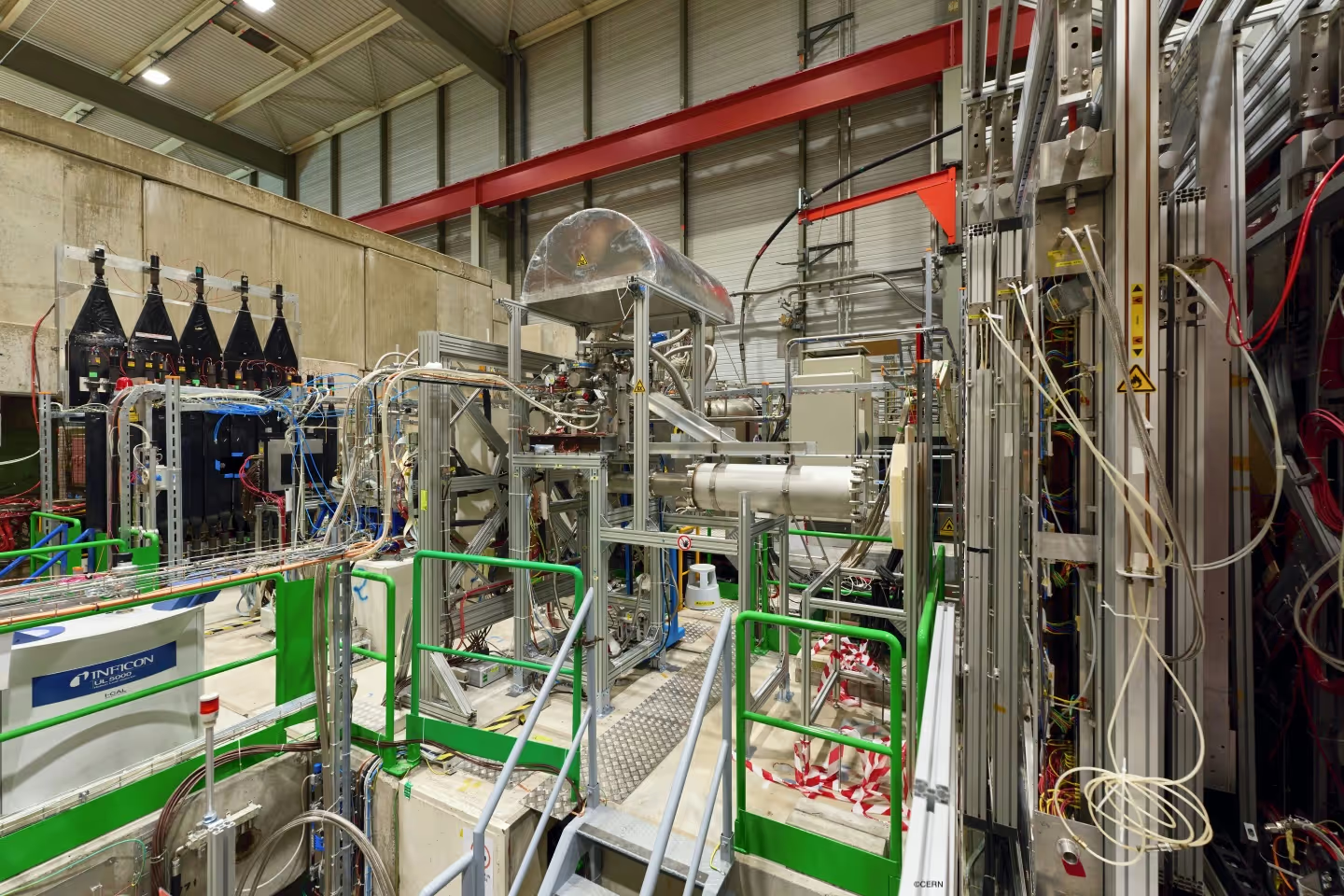
Experiments at large international facilities

Pioneering Research in Elementary Particle Physics
Our research has led to groundbreaking discoveries in the field of elementary particle physics. We are committed to advancing knowledge through innovative experiments and international collaborations.
FORTE Researchers
Large International Collaborations
Scientific Papers
DUNE PMTs tested in 2024
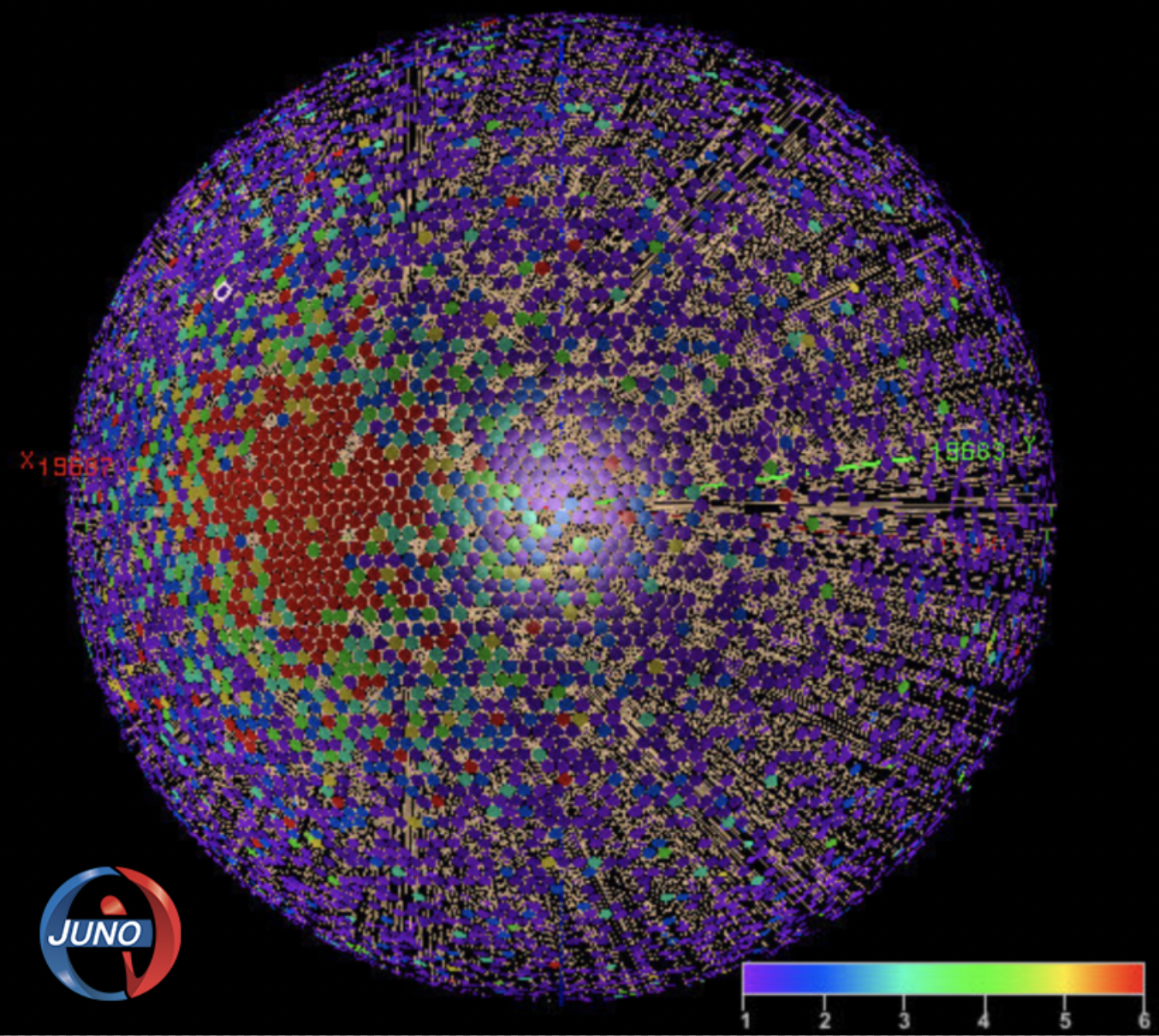
We know the first results of the JUNO Neutrino Experiment.
The Jiangmen Underground Neutrino Observatory (JUNO) marked a major milestone in August 2025 as it began recording physics data. Within just two months, the experiment delivered results that outperformed findings from international projects running for more than twenty years, highlighting the extraordinary capabilities of the detector.
Data gathered between 26 August and 2 November 2025 presents JUNO’s first scientific results, delivering the most accurate values to date of several key neutrino oscillation parameters. The findings open new implications for research into the origin of neutrino mass. [1], [2].
Determination of the value and the comprehension of the origin of neutrino masses and flavour mixing is connected to major open questions in cosmology and astrophysics, including the matter–antimatter asymmetry of the universe, the nature of dark matter, and the evolution of astrophysical objects. Such precise measurements of neutrino oscillation parameters open also the door to more accurate tests of the completeness of the three-neutrino model.
"JUNO is becoming a fundamental experiment for neutrino physics and neutrino cosmology in the coming decades." Vít Vorobel
“JUNO is becoming a fundamental experiment for neutrino physics and neutrino cosmology in the coming decades. By combining cosmological observations and beta decay research, JUNO's precise results will provide an unprecedented narrowing of the range of many models of neutrino mass origin and neutrino mixing, and for new physics beyond the Standard Model,” explains Vít Vorobel, who is scientific team leader of the Faculty of Mathematics and Physics at Charles University.
Neutrino oscillations indirectly indicate that neutrinos have non-zero masses, which is widely accepted as experimental evidence of physics "beyond the Standard Model." Neutrino oscillations are described by six parameters: two mass square differences ∆m221, ∆m232, three mixing angles θ12, θ13, θ23, and one phase δCP, which violates CP invariance. Currently, the value of δCP and the sign of ∆m322, which determines whether the neutrino state ν3 is heavier or lighter than the states ν1 and ν2, remain unknown – the so-called "neutrino mass ordering question."
Data collected by the JUNO experiment in the short time span between August 26 and November 2, 2025, provide the world's most accurate determination of two neutrino oscillation parameters. The accuracy of the mixing parameter sin2 θ12 was improved by a factor of 1.8 from 5.1% to 2.8% compared to previous measurements, and the precision of the mass square difference ∆m212 was improved by a factor of 1.5 from 2.5% to 1.6%.
JUNO is designed for 30 years of scientific operation with the possibility of upgrading to a world-leading experiment investigating double beta decay. Such an upgrade would determine the absolute values of neutrino mass and investigate whether neutrinos are Majorana particles. In doing so, it addresses fundamental questions linking particle physics, astrophysics, and cosmology that shape our understanding of the universe.
More about JUNO:
JUNO unites over 700 researchers from 74 institutions in 17 countries and regions, predominantly from China and Europe. Since the establishment oft he JUNO collaboration in 2013, a group of scientists and students from theFaculty of Mathematics and Physics of the Charles University has been an active member of the collaboration. The team leader is Vít Vorobel from the Institute of Particle and Nuclear Physics.
JUNO is in southern China near city Jiangmen Guangdong Province. The device is located 700 metres underground, capable of detecting antineutrinos produced by the Taishan and Yangjiang nuclear power plants, located 53kilometres away, and measuring their energy spectrum with the highest accuracy.Contrary to alternative approaches, the determination of the order of neutrino masses in the JUNO experiment does not depend on the effect of passing of neutrinos through the Earth's mass.
At the heart of the JUNO experiment there is a central liquid scintillator detector, located in the center of a cylindrical water pool. The stainless steel structure, with a diameter of 41.1 meters, supports an acrylic sphere filled with scintillator, with a diameter of 35.4 meters, 20,000 20" photomultipliers, 25,600 3" photomultipliers, electronics, cabling, magnetic field compensation coils, and optical panels. The photomultipliers operate independently, capturing light from scintillation interactions and converting it into electrical signals.
Frontier research in Elementary particle physics
Explore the world of elementary particle physics.