
Join Us for Inspiring Science Events
Discover the latest advancements in science through our engaging public events, seminars, and conferences. Connect with experts and fellow enthusiasts to explore the wonders of physics and beyond.

Gravity@Prague 2026
An advanced school on gravity for PhD students and postdocs
What's on
We organize physics events throughout the year with different formats.
We've searched the observable universe...
Event Highlights
Explore our engaging outreach events and community impact.
.jpeg)
.jpeg)


past events
Five distinct event formats bring FORTE research to audiences worldwide.
All Past Events
Stay informed
.jpeg)
READ our STORIES
Find out about the details behind FORTE science and how our research may impact future technologies.
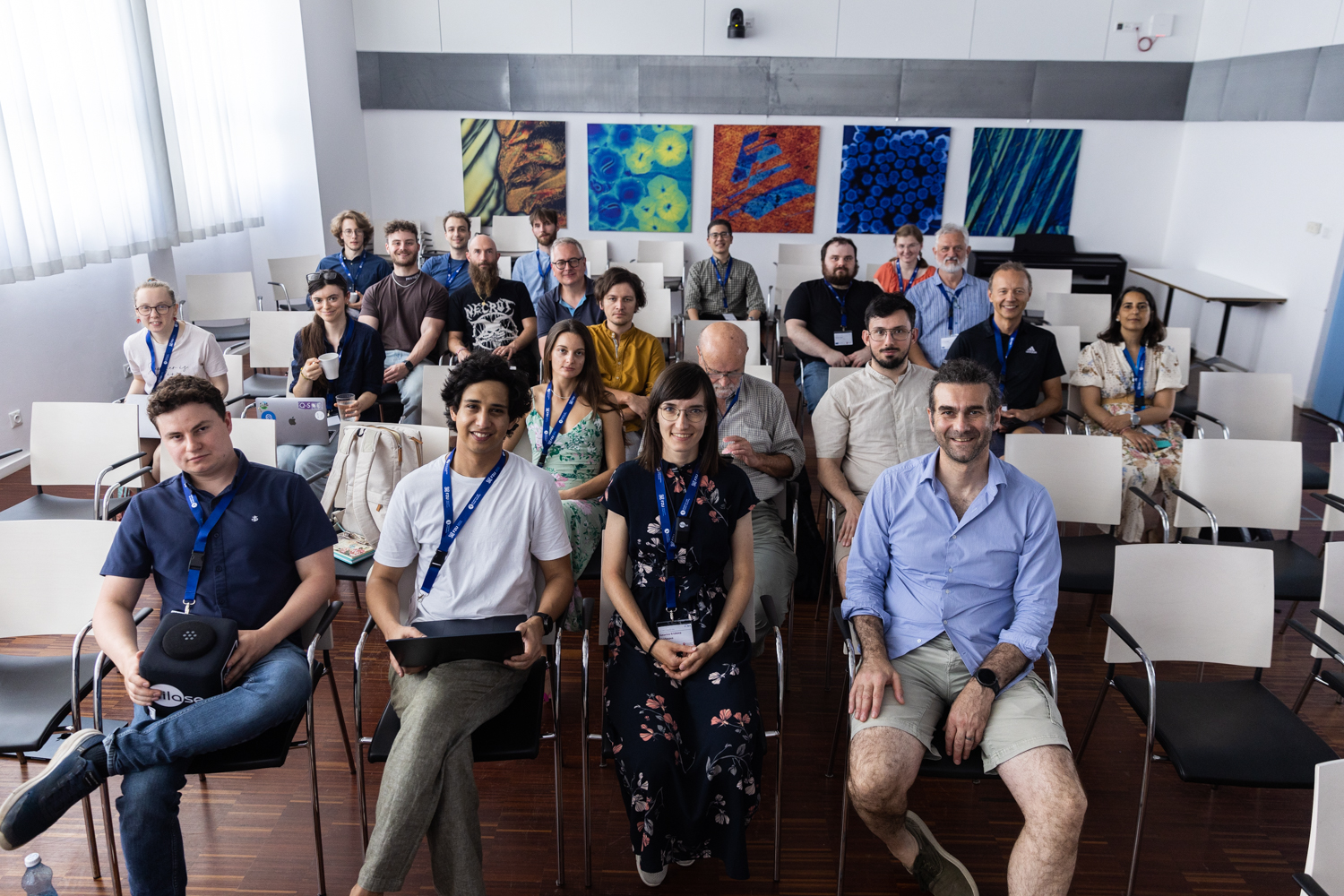
FORTE Science Day Highlights
Researchers and students gathered at the Institute of Physics in Prague on 19 June for the second FORTE Science Day, a one-day meeting that showcased the breadth of research carried out within the FORTE project. The programme ranged from particle physics and cosmology to detector development and quantum theory, bringing together early-career researchers and established scientists working in major international collaborations, including experiments carried out at CERN, Belle II, JUNO, FAST.

The event opened with an introduction by Constantinos Skordis, before moving through a series of presentations exploring some of the biggest questions in modern physics. Topics included CP violation, ultra-high-energy cosmic rays, neutrino physics, detector calibration, cosmological modelling, atmospheric measurements and rare particle decays, illustrating how diverse research fields contribute to a common understanding of the Universe.
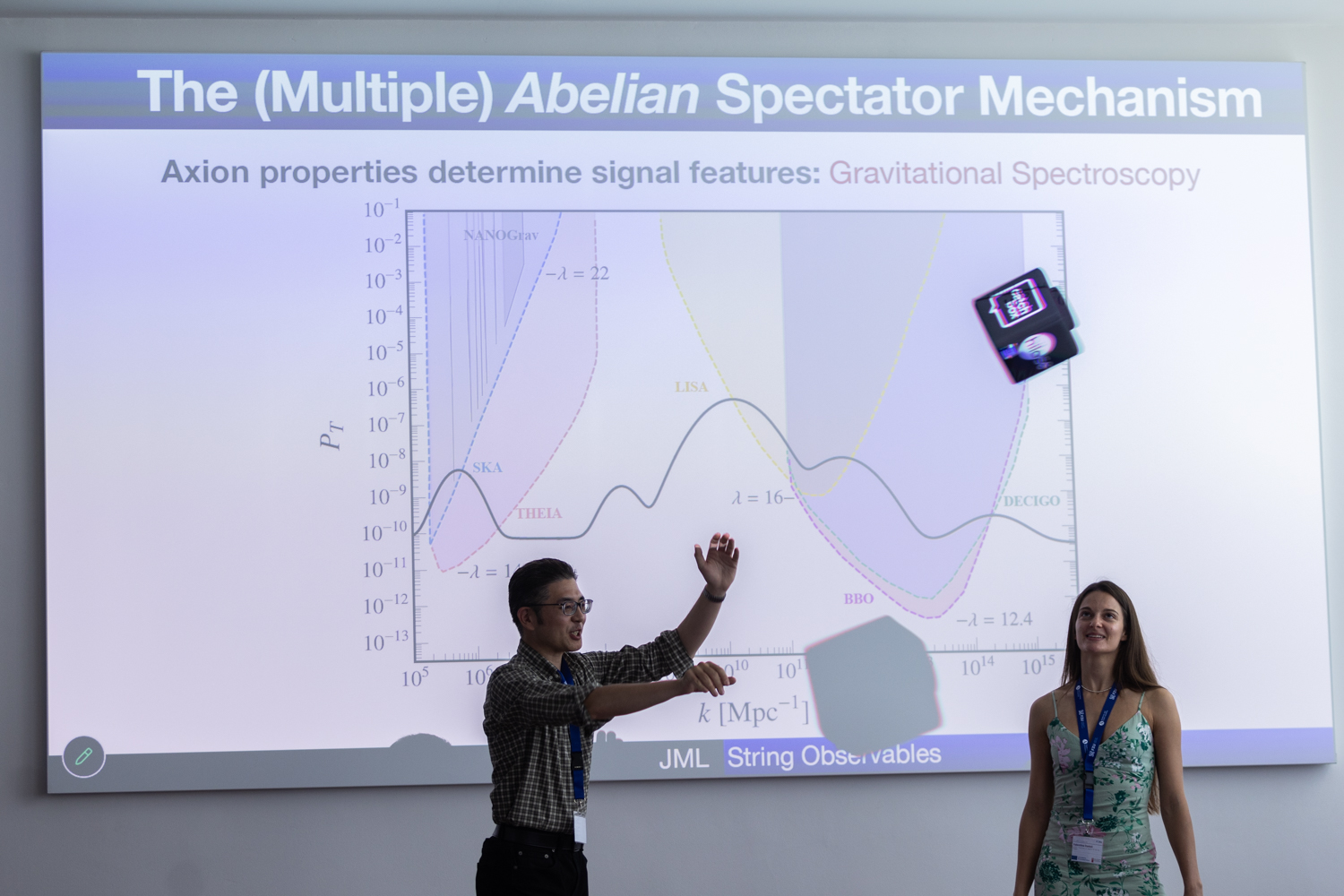
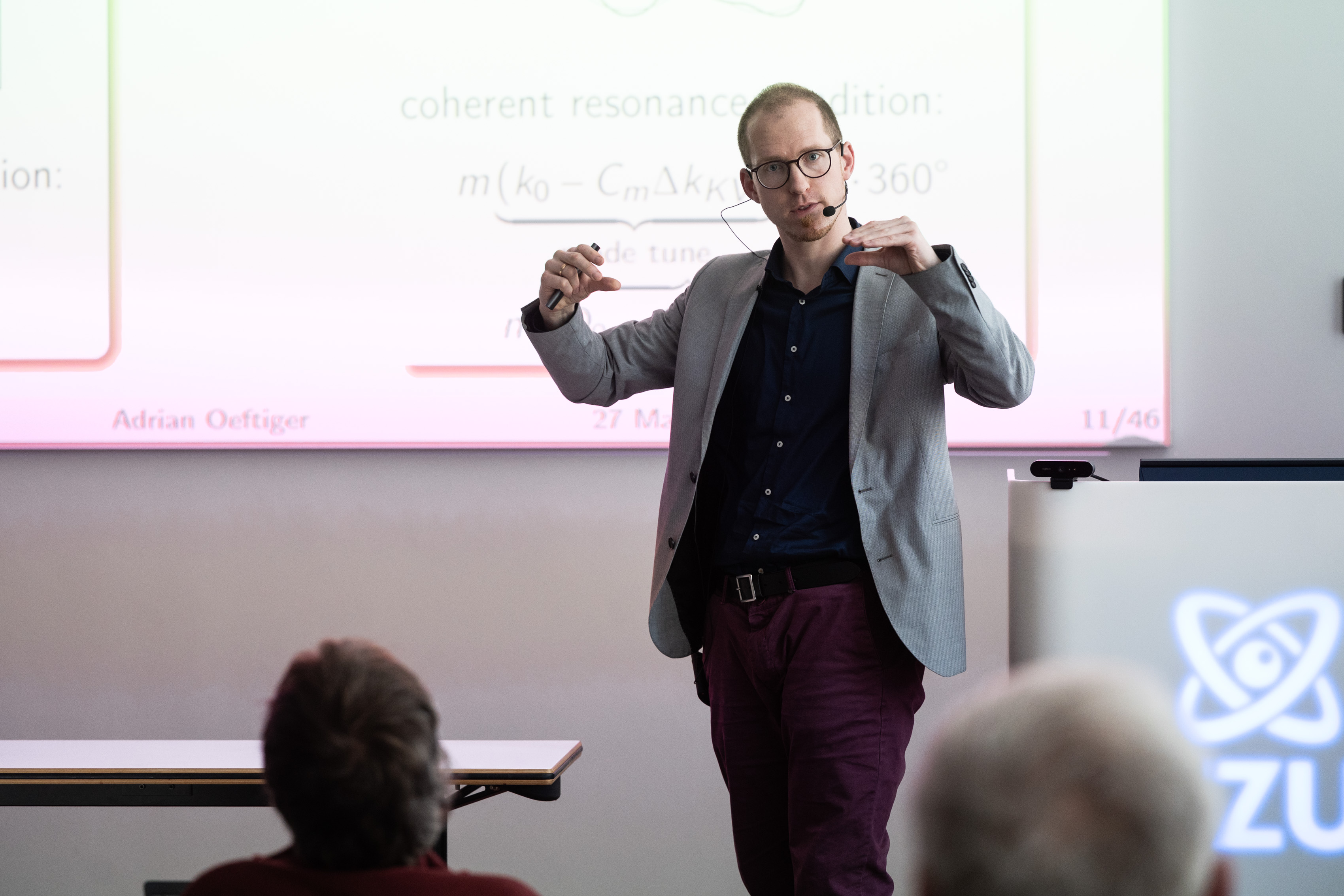
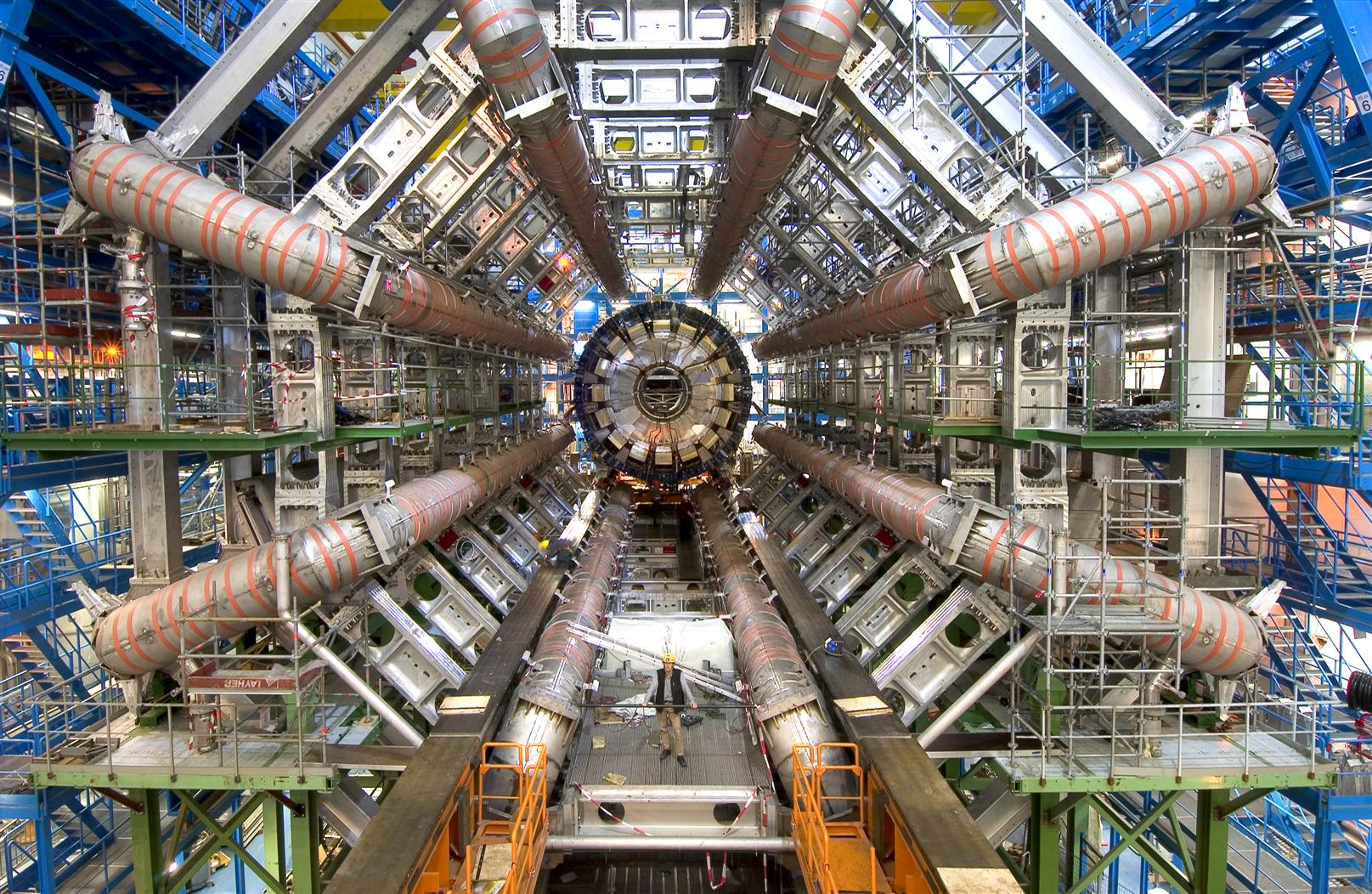
One of the keynote lectures was delivered by Martin Rybář, who introduced the ATLAS experiment at CERN’s Large Hadron Collider. He showed how a detector of size of a cathedral can be used to investigate the smallest and most fundamental questions in physics: from the behaviour of the Higgs boson and the top quark to rare particle decays and possible signs of physics beyond the Standard Model.
Drawing on the largest dataset ATLAS has ever recorded, he highlighted recent results from proton and heavy-ion collisions, including the first oxygen and neon collision studies. He also explained how machine learning is becoming increasingly important in analysing data and calibrating the detector.

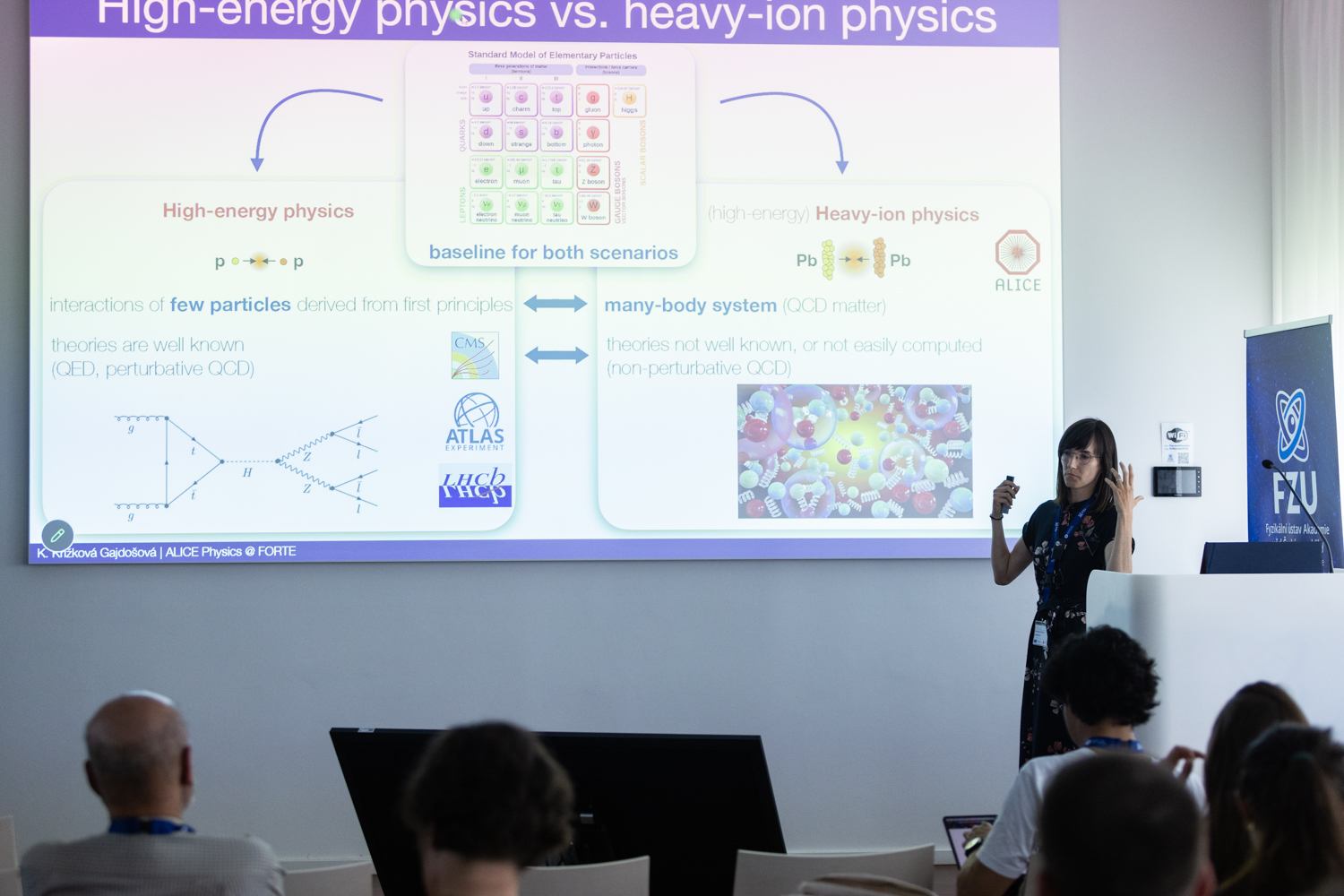
In the afternoon, Katarina Křížková Gajdošová presented the physics programme of the ALICE experiment, which investigates the properties of strongly interacting matter under the extreme temperatures and densities created in heavy-ion collisions at the Large Hadron Collider. Her lecture provided an overview of the heavy-ion physics studied by ALICE and then focused on the main topics addressed within the FORTE project, including modified particle production in jets, studies of jet quenching and anisotropic flow in small collision systems, and investigations of gluon saturation phenomena in ultraperipheral collisions.
Together, the presentations demonstrated the interdisciplinarity of the FORTE project, linking experimental and theoretical research across multiple areas of fundamental physics. The meeting also highlighted the strong involvement of Czech researchers in international scientific collaborations that are expanding our understanding of matter, forces and the Universe.
.jpg)
Upgraded telescope prototypes installed in step towards cheaper, scalable cosmic particle observatories
FORTE researchers from the FZU/PU Joint Laboratory of Optics installed two upgraded fluorescence telescope prototypes at the Pierre Auger Observatory in March, carrying out calibration and testing as part of a wider effort to develop a new, lower-cost approach to observing the universe’s rarest high-energy particles.
The next stage of the work will focus on analysing the collected data and preparing for stereo observations, where overlapping fields of view are used to reconstruct atmospheric particle showers with greater precision. If successful, the approach could enable much larger and more cost-effective observatories capable of probing the highest-energy particles in the universe.
The installation is part of the Fluorescence detector Array of Single-pixel Telescopes (FAST) project, an international collaboration involving researchers from the Joint Laboratory of Optics and partners in Japan, Germany and Italy. The project is focused on designing a simplified telescope system that can be produced at lower cost and deployed in large numbers to cover far greater areas of sky than current facilities.
The need for such an approach stems from the extreme rarity of ultra-high-energy cosmic particles. A particle with an energy of 10¹⁹ eV is expected to hit an area of one square kilometre roughly once per year, while a particle with 10²⁰ eV arrives only once per century. Even the Pierre Auger Observatory in Pierre Auger Observatory, which spans 3,000 square kilometres, is not large enough to collect sufficient high-statistics data at the highest energies.
.jpeg)
FAST addresses this limitation by redesigning the telescope itself, prioritising scalability and reduced production cost. The system is based on a simplified optical and electronic architecture intended to make large arrays feasible over vast distances.
Several technical changes underpin this approach. Earlier prototypes used mirrors composed of nine segments and the new design reduces this to four. A revised manufacturing process removes the need for manual polishing after thermal shaping, cutting both production time and cost. The electronics have also been redesigned into a modular system with lower noise levels, scalable from eight to 48 channels.
Each telescope prototype uses a 30° x 30° field of view, utilizes the fluorescence detection technique and is designed for autonomous operation, powered by solar panels and equipped with directional antennas for data transmission, allowing deployment in remote locations without extensive infrastructure. The modular concept extends to large-scale operation. A single “master” unit containing control and data acquisition systems can coordinate a 360-degree array of 12 telescopes, opening the way towards observatories covering tens of thousands of square kilometres.
The telescopes themselves detect air showers produced when high-energy particles enter Earth’s atmosphere and collide with air molecules at altitudes of around 40 km. These cascades emit fluorescence light from excited nitrogen molecules, which can be measured to determine the energy of the original particle.
.jpg)
Pierre Auger Masterclasses: Exploring the Universe with Extremely Energetic Particles
What can we learn from particles reaching Earth with energies far exceeding anything achievable in man-made laboratories? On March 13, high-school students from across the Czech Republic came to explore this question at the Pierre Auger International Masterclasses.
Organized for the fourth time by the Institute of Physics of the Czech Academy of Sciences (FZU) and the Faculty of Nuclear Sciences and Physical Engineering at CTU (FNSPE), the event offered a full day of lectures and hands-on activities.
The programme was opened by the Dean of FJFI, Václav Čuba, and the Director of FZU, and FORTE member, Michael Prouza, who encouraged students to follow their curiosity and consider a future career in science. The morning lectures introduced both the broader context and the experimental side of the field of astroparticle physics. FORTE researcher Margita Kubátová (FNSPE, FZU) gave a lecture about astroparticle physics and cosmic rays, explaining what happens when these particles enter the Earth’s atmosphere, what we know and do not know about them and why they are so interesting to study.
.jpeg)
This was followed by FORTE WP2 leader Petr Trávníček (FZU), who introduced the Pierre Auger Observatory in Argentina, showcasing how scientists detect these extremely energetic cosmic rays and highlighting key discoveries from over 20 years of the observatory's operation. In the afternoon, the students transitioned from listeners to researchers.
Using real data from the observatory’s surface detectors, they analyzed cosmic-ray events and reconstructed their energies and arrival directions. Their results demonstarted both the steepness of the energy spectrum and showed a minor trend towards an unisotropic nature of the arrival directions 8 EeV.
This hands-on experience provided a unique glimpse into the daily work of an international scientific collaboration.The day concluded with a joint videoconference, connecting participants in Prague with students at other sites across Europe and with researchers at the Pierre Auger Observatory.
Students discussed their results, gained insight into how a global scientific collaboration operates, and had the opportunity to ask questions, not only about science, but also about what a career in research looks like. Once again, the Pierre Auger Masterclasses proved to be an inspiring experience, combining real science, active learning, and lively discussion.
.jpg)
ICHEP2024: The future of particle physics resides in international collaboration
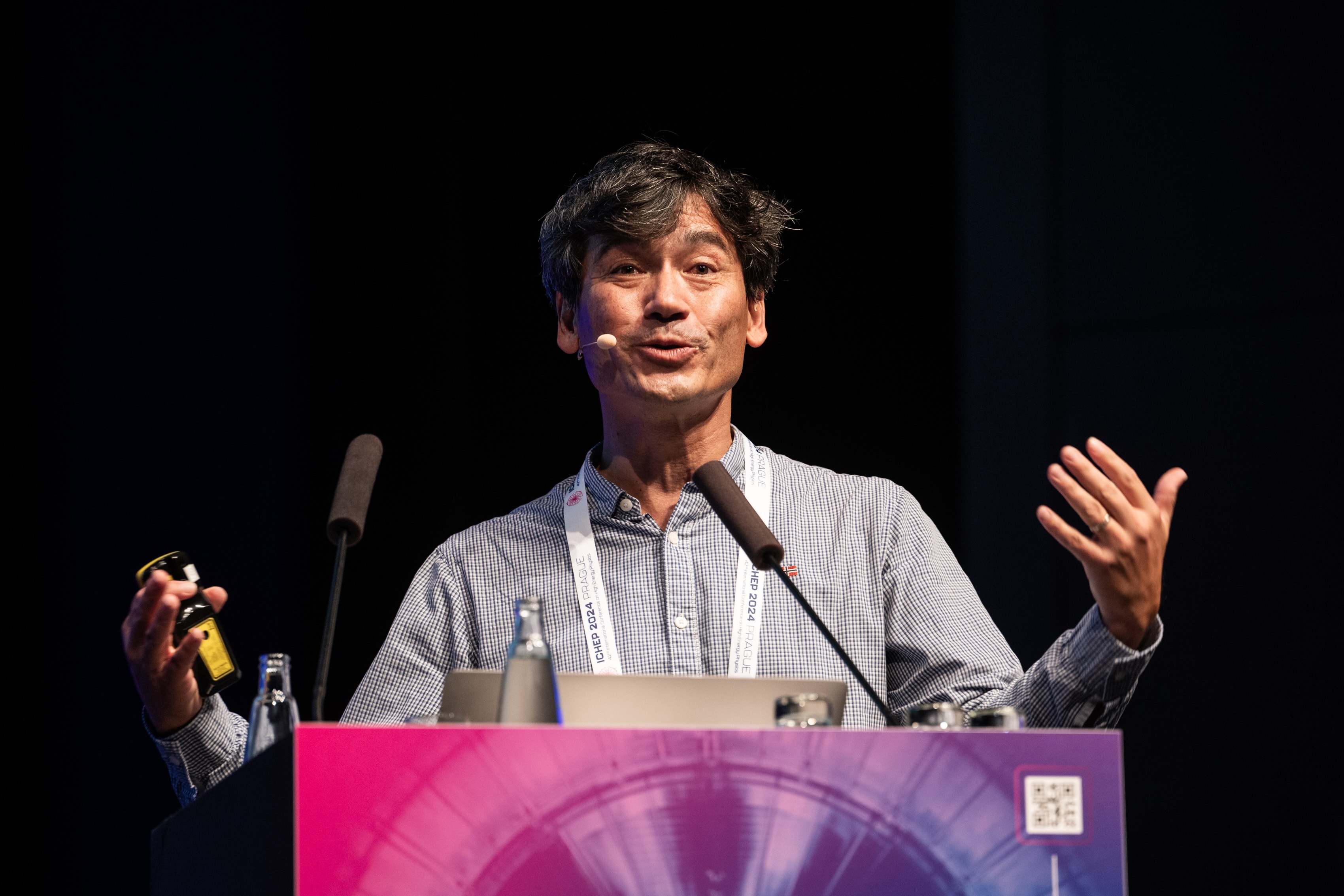
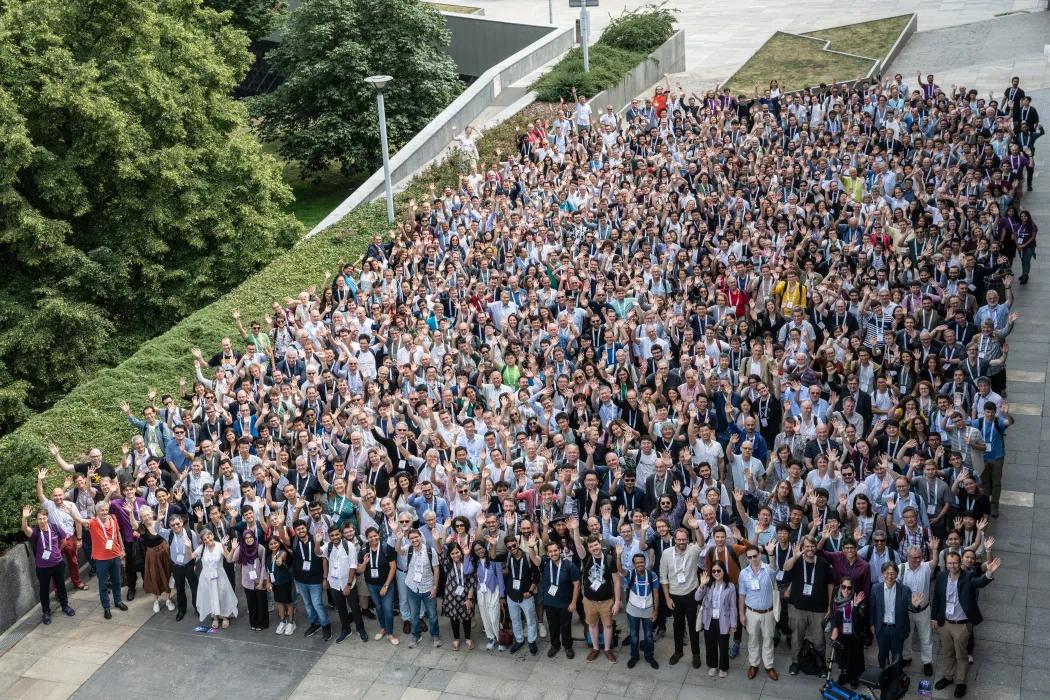
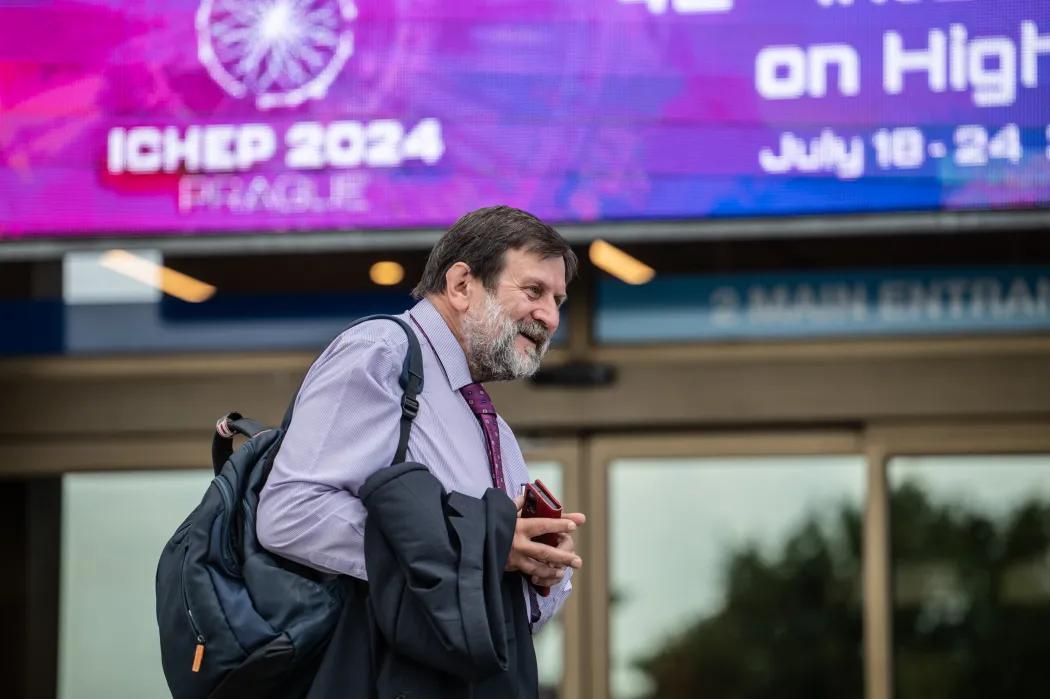
ICHEP2024, the largest international conference on high energy physics, attracted 1400 participants from 55 countries to Prague. In addition to thousands of lectures, scientists were also offered three panels – two dealing with the future of particle physics and its benefits for society and the third on the importance of education and popularisation of science.
In order to study the smallest building blocks of nature and search for answers to fundamental questions about the nature of our universe physicists use particle accelerators and complex detector systems, which act like the most powerful microscopes. The variation in experiments allows them to connect views of particle physics and test existing theoretical models.
"The conference was jointly organised by representatives of five Czech universities and two institutes of the Czech Academy of Sciences. Several dozen of our students acted as assistants, getting an invaluable opportunity to participate in the conference sessions," said the national organiser of ICHEP2024, Professor Zdeněk Doležal from Charles University.
Accelerator experiments and measurements of neutrino properties push the boundaries of particle physics
Significant research results were presented at the conference by representatives of experiments carried out at the LHC accelerator at CERN, such as the parameters of Higgs boson interactions with other particles and with itself. The detailed measurement of the properties of this particle, which was discovered in 2012 by the ATLAS and CMS LHC experiments, is one of the main research goals of the upcoming upgrade of the HL-LHC (High Luminosity LHC).
"Czech physicists have not failed to leave their mark. Not only did they present new results from LHC experiments on, for example, Higgs boson physics, heavy top quark physics, strong interaction physics, proton structure and ultra-relativistic heavy ion collisions, but their contributions could also be heard in other parallel sessions, e.g. in the neutrino physics, astroparticle physics and cosmology, theory, detector operation, data processing or education and popularisation of particle physics sections," says Alexander Kupčo, member of the local organising committee of the conference.
Neutrino experiments have also yielded ground-breaking findings, both in accelerator, reactor and atmospheric experiments, and in observations of cosmic sources. Neutrinos, unique particles with no electric charge, are one of the most important questions that particle physicists are trying to elucidate. At the conference, scientists presented significant advances in understanding neutrino oscillations and their potential to reveal CP violation, a phenomenon that is crucial to explaining the asymmetry of matter and antimatter in the Universe. CP asymmetry currently observed in quarks is not sufficient to explain the antimatter asymmetry. T2K and NOvA experiments presented new results suggesting CP violation in the neutrino sector.
Astrophysical neutrino detectors, such as those used in the ORCA, ARCA, IceCube and DeepCore experiments, have achieved remarkable results, including the detection of neutrinos with the highest energy ever recorded. In addition, the Dark Energy Survey has yielded new insights into the distribution of galaxies, providing deeper insights into the structure of the early Universe and supporting models of cosmic evolution.
International collaboration is the future of physics
Another major theme of ICHEP2024 was the future of accelerator physics. The visions of the world's largest accelerator laboratories were discussed by their leaders Fabiola Gianotti (CERN), Lia Merminga (Fermilab, USA), Yifang Wang (IHEP, China), Shoji Asai (KEK, Japan) and Dmitri Denisov (BNL, USA).

The discussion focused on large accelerator projects with proposals for new 90 km rings at CERN and in China. These projects aim to reach higher energies and potentially reveal new physics beyond the standard model. To achieve this goal, however, international cooperation is needed because, as Karl Jakobs, responsible for the European particle strategy, has noted: "You can't build an accelerator in every country." His words were confirmed by CERN Director General Fabiolla Gianotti: "Collaborating on basic scientific research in particle physics is a common goal for all of us."
On the Czech part, the debate was attended by Martin Procházka, the Rector of Palacký University in Olomouc; Ladislav Krištoufek, the Vice-Rector for Research of Charles University; Jan Řídký, the Vice-Chairman of the Czech Academy of Sciences and Pavel Doleček, the Deputy Minister for Science, Research and Innovation.

The Ministry of Education, which is the main financial source and guarantor of the cooperation with CERN, was represented by Marek Vyšinka, Head of Unit for Research Infrastructures. CERN is the closest and most important international laboratory for Czech particle physicists and at the end of the debate CERN director called on scientists to deepen cooperation: "Meeting and sharing experience is extremely valuable and it is really important to keep this in mind and set aside time for these 'soft skills'. This full auditorium is proof of that. And I would like to take this opportunity to invite your wonderful scientists to join us. Because our laboratories at CERN are available to all European countries."
In a panel discussion titled Communication and Outreach - by all of us - is critical for the future of HEP, leading physics communicators took the stage: Matthew Chalmers, Editor of the CERN Courier, Sarah Demers, professor of physics at Yale University, populariser Paris Sphicas, and two renowned TV journalists Spencer Kelly from the BBC and Daniel Stach from the Czech Television. The hour-long debate was organized and co-hosted by Connie Potter and Dave Barney and can be viewed here.
Awards for promising scientists and best posters
The ICHEP conference not only showcased important advances and future directions in particle physics, but also recognised young scientists. Two promising scientists received the International Union of Pure and Applied Physics (IUPAP) Award from the Chair of the Commission on Particles and Fields, Professor Florencia Canelli. Jennifer Ngadiuba (Fermilab) won the award for co-creation, developing and deploying new machine learning techniques for solving complex elementary particle physics problems, focusing on ultra-fast real-time data analysis on hardware triggers (systems deciding which events to record and which not to) and for model-agnostic search for physics signals outside the standard model at the LHC." The second award went to Ian Moult (Yale University) for designing new observable parameters for the jet substructure that had a direct impact on the accelerator physics program, and for developing new effective field theory techniques that enable high-precision calculations.
Over the course of the conference, attendees were able to view 282 posters over three days, 180 of which qualified for the best presentation competition. Although the posters covered all of the topics the conference focused on, the level of representation of posters from each field reflected the most current trends in physics and the problems being addressed by the community. Posters on the operation, performance, and upgrade of current accelerators (56), neutrino physics (46), issues beyond the standard model (26), and computation, AI, and data management (25) had the highest representation.
The expert programme was accompanied by activities for the public
Particle physics and CERN, which will celebrate 70 years since its foundation this September, could be experienced by thousands of visitors at the Colours of Ostrava music festival. They had the opportunity to attend a lecture by CERN Director General Fabiola Gianotti on the Big Bang Stage. Hundreds of visitors were also attracted by the Particles and Arnošt Lustig exhibition, which was open for the duration of the conference at the Prague Congress Centre, together with an exhibition of student work inspired by particles in the BeInspired project.
About the conference:
The International Conference on High Energy Physics (ICHEP) is a series of international conferences organized by the Commission of the International Union of Pure and Applied Physics (IUPAP). It has been held every two years for more than 70 years and is the reference conference for particle physics, where the most important results are presented. ICHEP brings together physicists from around the world to share the latest advances in particle physics, astrophysics, cosmology and accelerator science and to discuss plans for major facilities in the future.
ICHEP 2024 at national level is organized by key institutions involved in particle research, namely Charles University, Czech Technical University in Prague, Institute of Physics of the Czech Academy of Sciences, Nuclear Physics Institute of the Czech Academy of Sciences, Palacký University in Olomouc, Technical University of Liberec and University of West Bohemia in Pilsen. The Chairmen of the Organizing Committee are prof. Zdeněk Doležal and prof. Tomáš Davídek from the Institute of Particle and Nuclear Physics, Faculty of Mathematics and Physics, Charles University.
Credit: FZU
.jpeg)
Bharat Ratra's Lecture in the Municipal Library
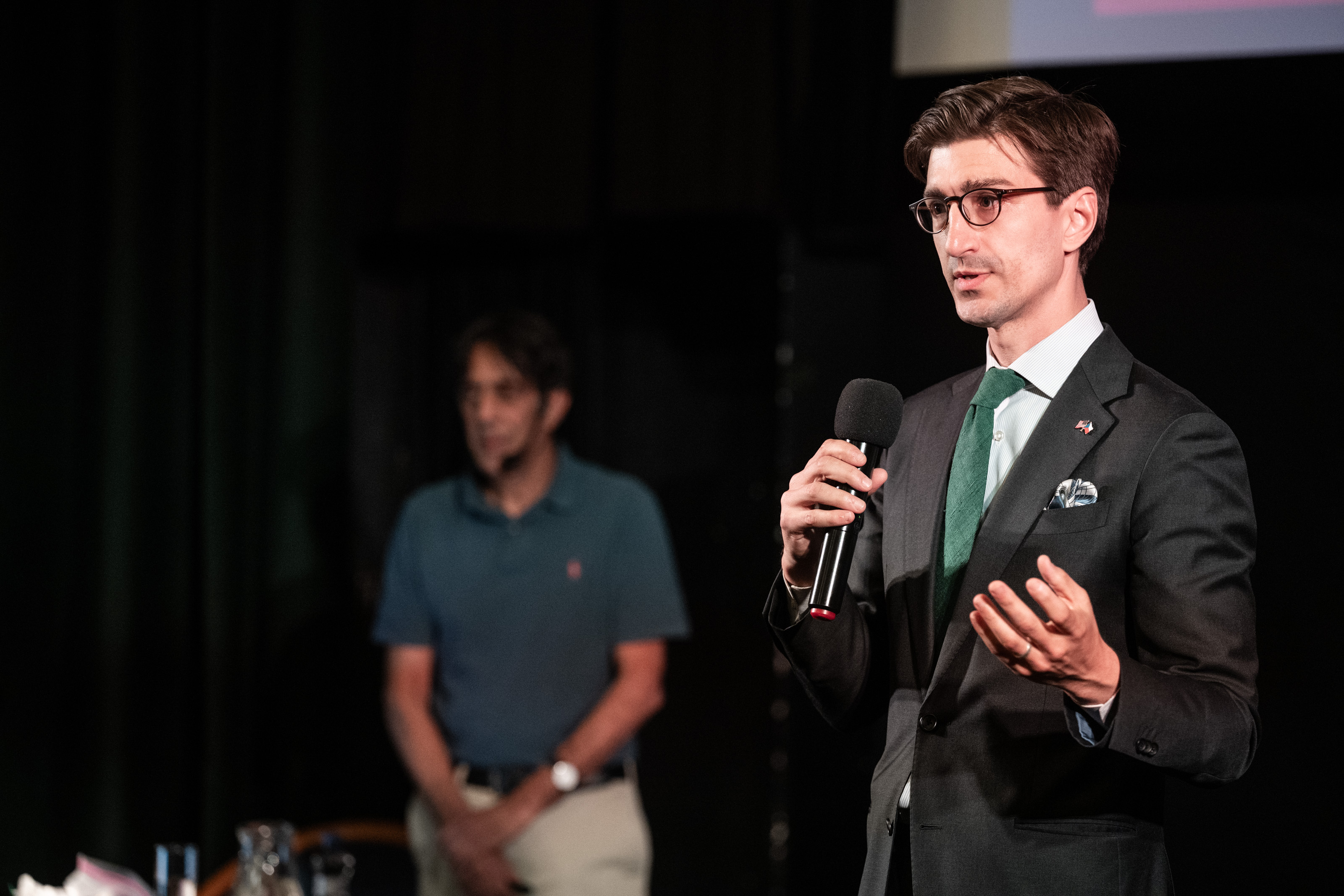
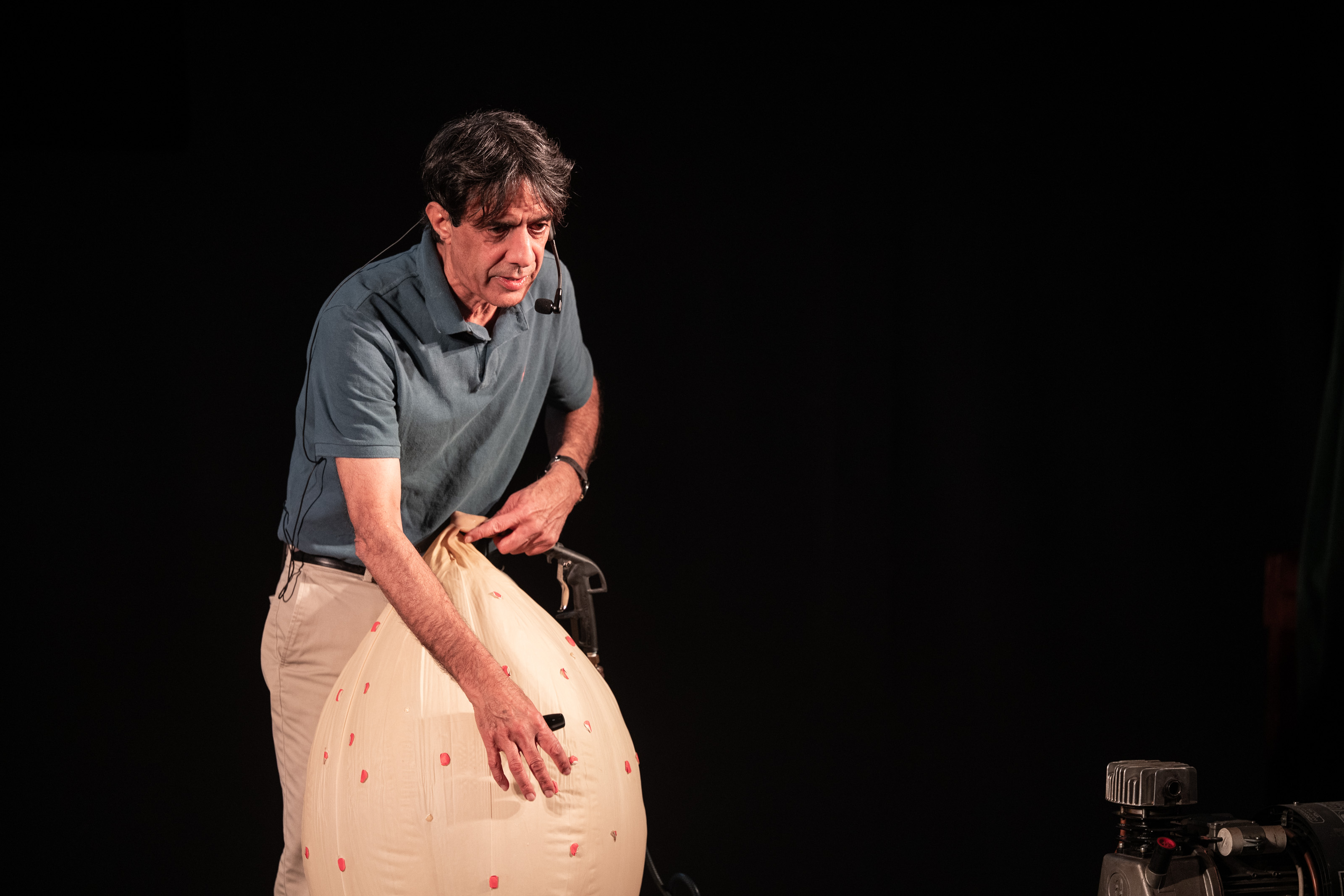
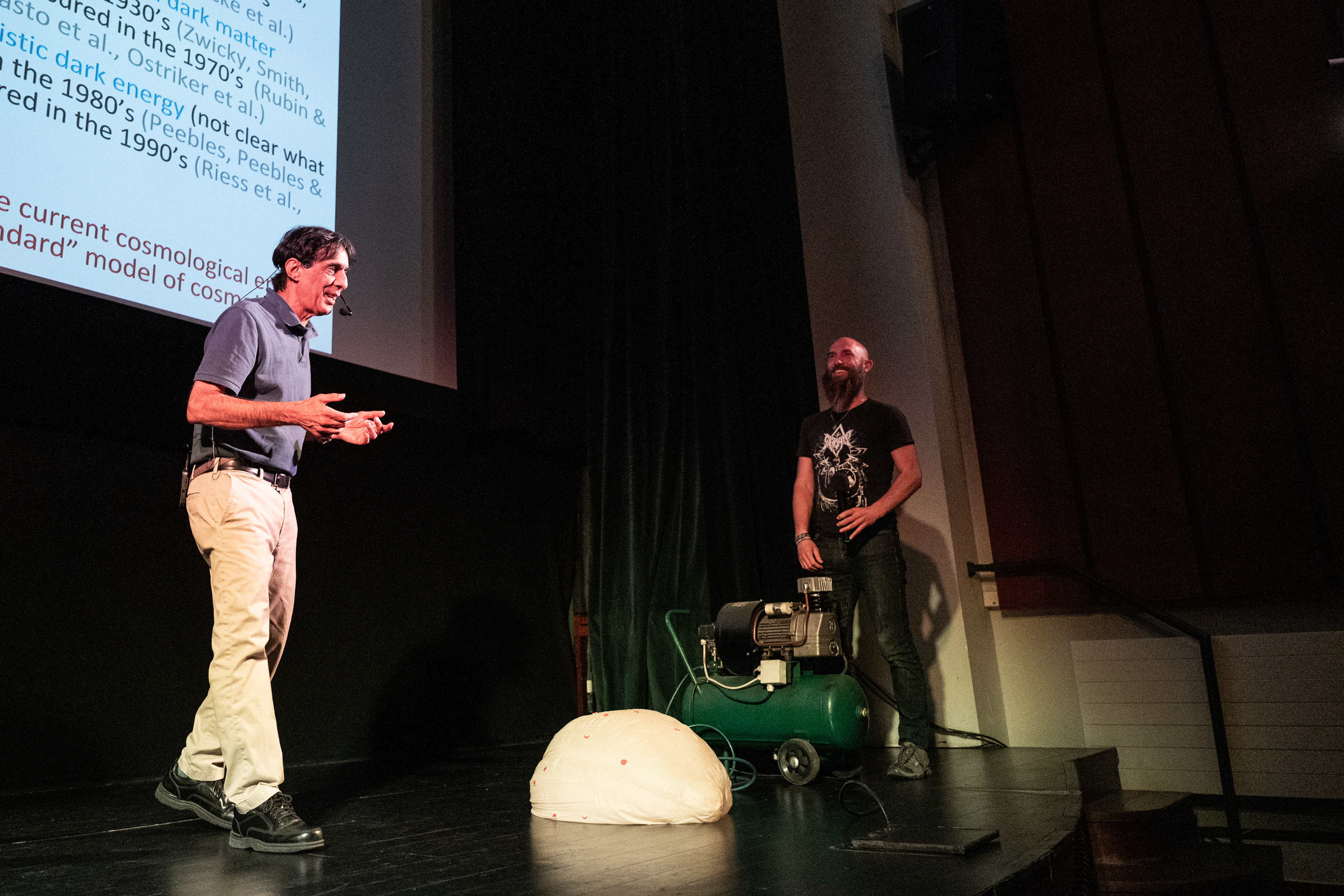
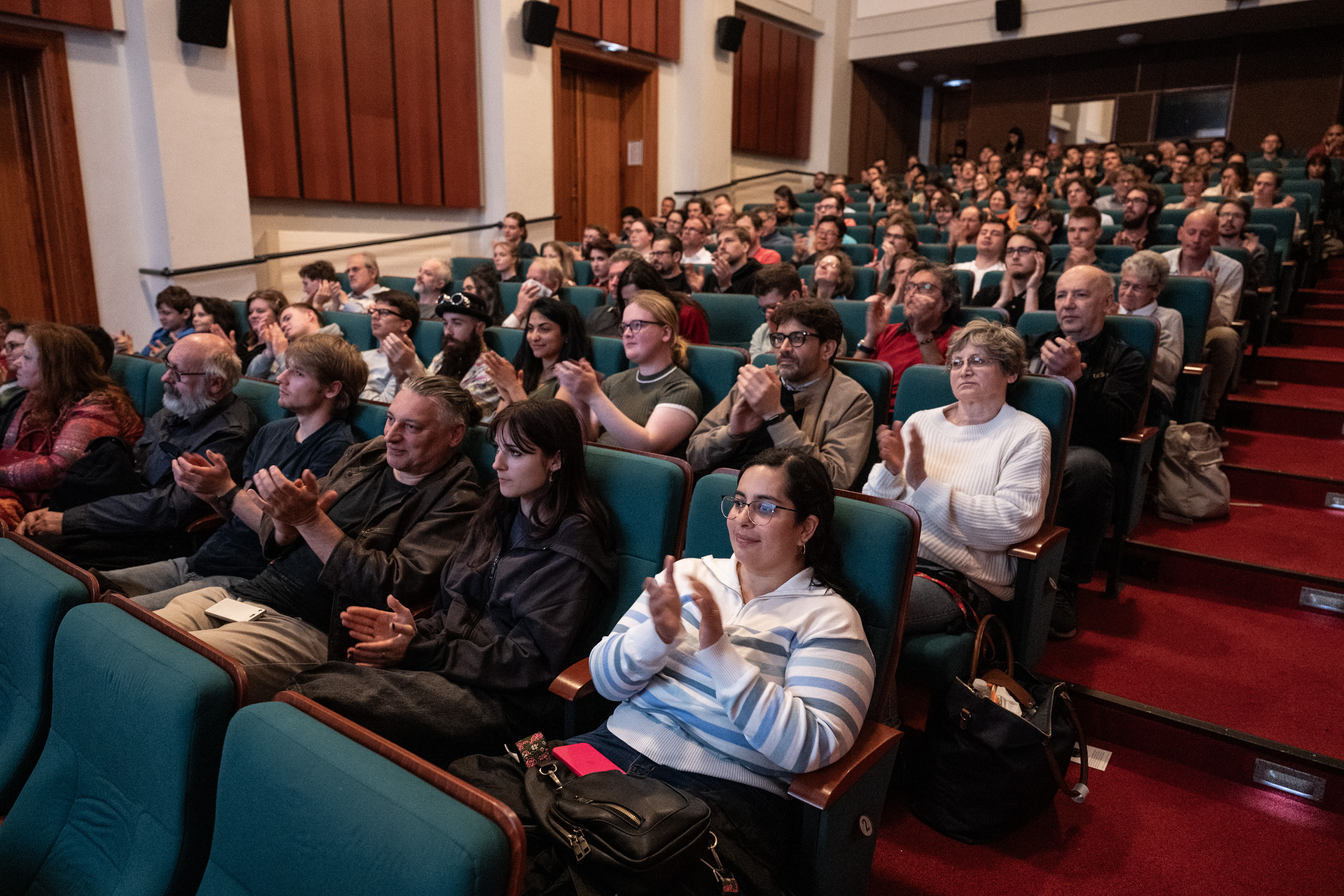
A public lecture titled The Mystery of Dark Energy: Why Is the Universe Still Accelerating? was held on 15 May at the Municipal Library in Prague. The talk was delivered by Professor Bharat Ratra of Kansas State University, recipient of the 2025 Julius Edgar Lilienfeld Prize of the American Physical Society. The event opened with remarks from Luke Meinzen, cultural attaché at the US Embassy, who together with Dr. Ignacy Wolak-Sawicki welcomed Professor Ratra to the venue.

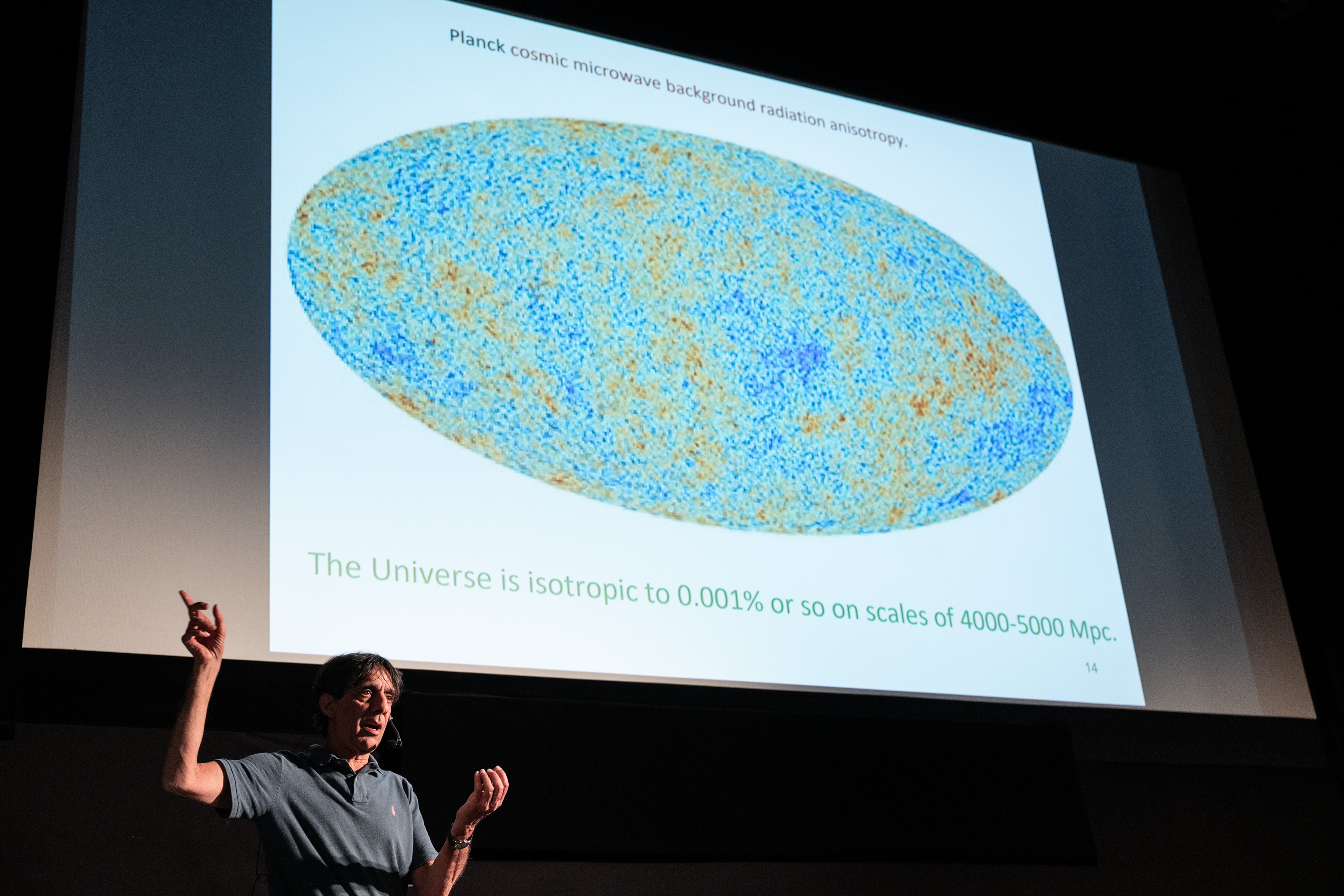
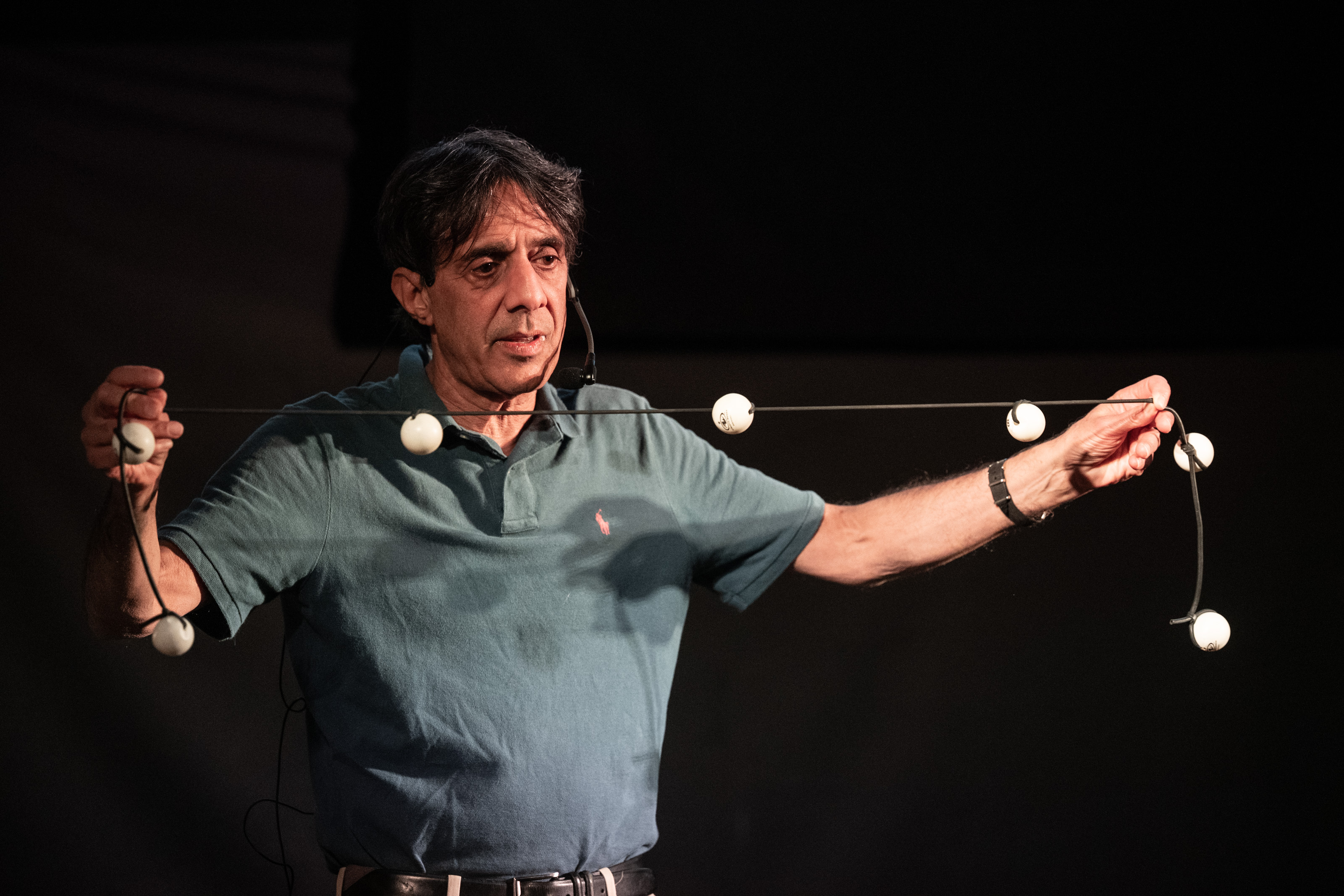
In his lecture, Professor Ratra outlined the modern standard model of cosmology, beginning with rapid inflation after the Big Bang and tracing the development of structure in the universe. The talk addressed unresolved questions, including the mismatch in current measurements of the expansion rate, and noted that future telescopes such as the James Webb Space Telescope may provide further data. The presentation also covered the scales of the universe and the limits of Earth‑based intuition, explaining the roles of dark matter and dark energy in shaping present‑day cosmological models.

Cosmic heavy metal: high-energy cosmic rays dominated by heavy METALS
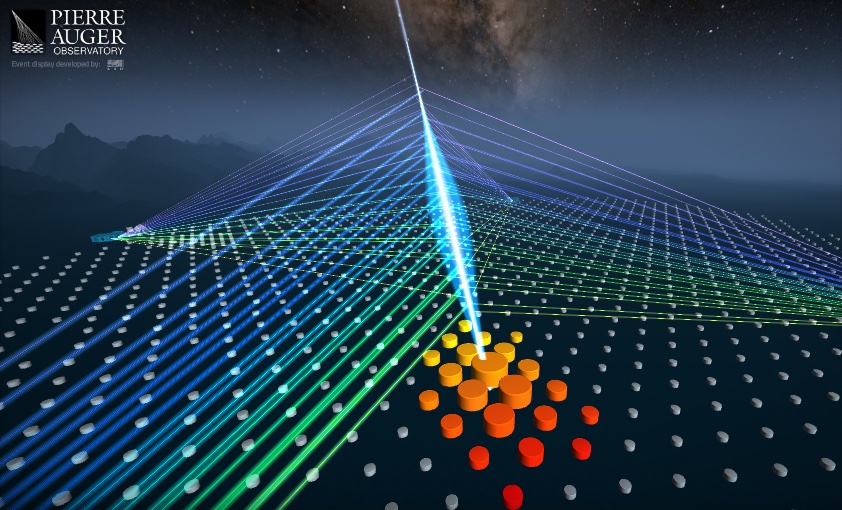
An international team led by Jakub Vícha from the Institute of Physics of the Czech Academy of Sciences has proposed a revolutionary "heavy metal" scenario that may change the view on the composition of the most energetic particles arriving from space. The theory, which the physicist built together with his team based on the analysis of unique data from the Pierre Auger Observatory, will contribute to answering the question of what these particles are made of and where they originate. A crucial role might be played by iron.
Cosmic rays are charged particles arriving from space. Most of these are low to medium energy particles that originate from the Sun and other objects in our Galaxy. The highest energy particles are very rare, and can be observed, for example, by the giant Pierre Auger Observatory in Argentina. The question of how and where they can be created remains one of the greatest mysteries of physics. These particles reach energies more than a million times higher than can be created at the largest LHC accelerator at CERN. They thus also reveal the limits of physical knowledge regarding particle interactions.
The composition of the most energetic particles is inferred indirectly – from measurements of so-called cosmic ray showers, which are created in a cascade after these particles interact with nuclei in the atmosphere. Jakub Vícha noticed that these showers penetrate deeper into the atmosphere than current models predict. This suggests that the models of particle interactions in the shower, known as hadronic, are not sufficiently accurate.
"If we adjust the model predictions regarding the penetration of the showers so that they all shift towards higher values, the measured data then correspond to higher metallicity, which means a greater proportion of nuclei of elements heavier than hydrogen and helium, and all the data then start to make better sense." Jakub Vícha, author of the article
It has now been published by The Astrophysical Journal Letters. "Previously, this was considered more of a fringe theory, but it's precisely this possibility that offers a consistent explanation for the data we now have available: cosmic rays at the highest energies could be composed solely of the nuclei of heavy elements, such as iron," the scientist states.
Iron is actually quite common in the universe. It's the heaviest element formed in nuclear processes at the end of life of stars, it's very stable, and there's still a relatively abundant supply of it in the universe. "The development of new hypotheses suggests that in extreme processes, such as a merger of two neutron stars, even heavier nuclei could appear – but that currently remains in the realm of speculation," adds Jakub Vícha.
.jpeg)
Deflected trajectories and the muon problem
If the incoming highest-energy nuclei are indeed this heavy, they're more strongly deflected by both galactic and intergalactic magnetic fields, arriving at Earth on significantly curved trajectories. This complicates efforts to pinpoint where the particles are coming from. As a result, it is also hard to find their sources.
For some physicists, this is an unwelcome outcome because it reduces the chance of definitively linking particles to specific objects in space, which would be possible with very light particles.
"This extreme scenario – meaning pure iron at the highest energies – can actually fit the observed data well, including the long-standing problems with identifying cosmic ray sources from their arrival directions," notes Alena Bakalova, co-author of the article.
The proposed "heavy metal" scenario also significantly mitigates the so-called muon problem, which is the discrepancy between the measured number of muons and model predictions. Muons are particles generated in cosmic ray showers that can reach the ground.
The publication of the article about heavy metals at the highest energies in cosmic rays has sparked debate within the scientific teams of the Pierre Auger Observatory regarding data evaluation. "Cosmic ray analyses based on predictions from current models of hadronic interactions will have to be re-evaluated. This won't be a minor correction, but a fundamental change to the basic framework of how measured data is interpreted," emphasizes Jakub Vícha.
Source: FZU
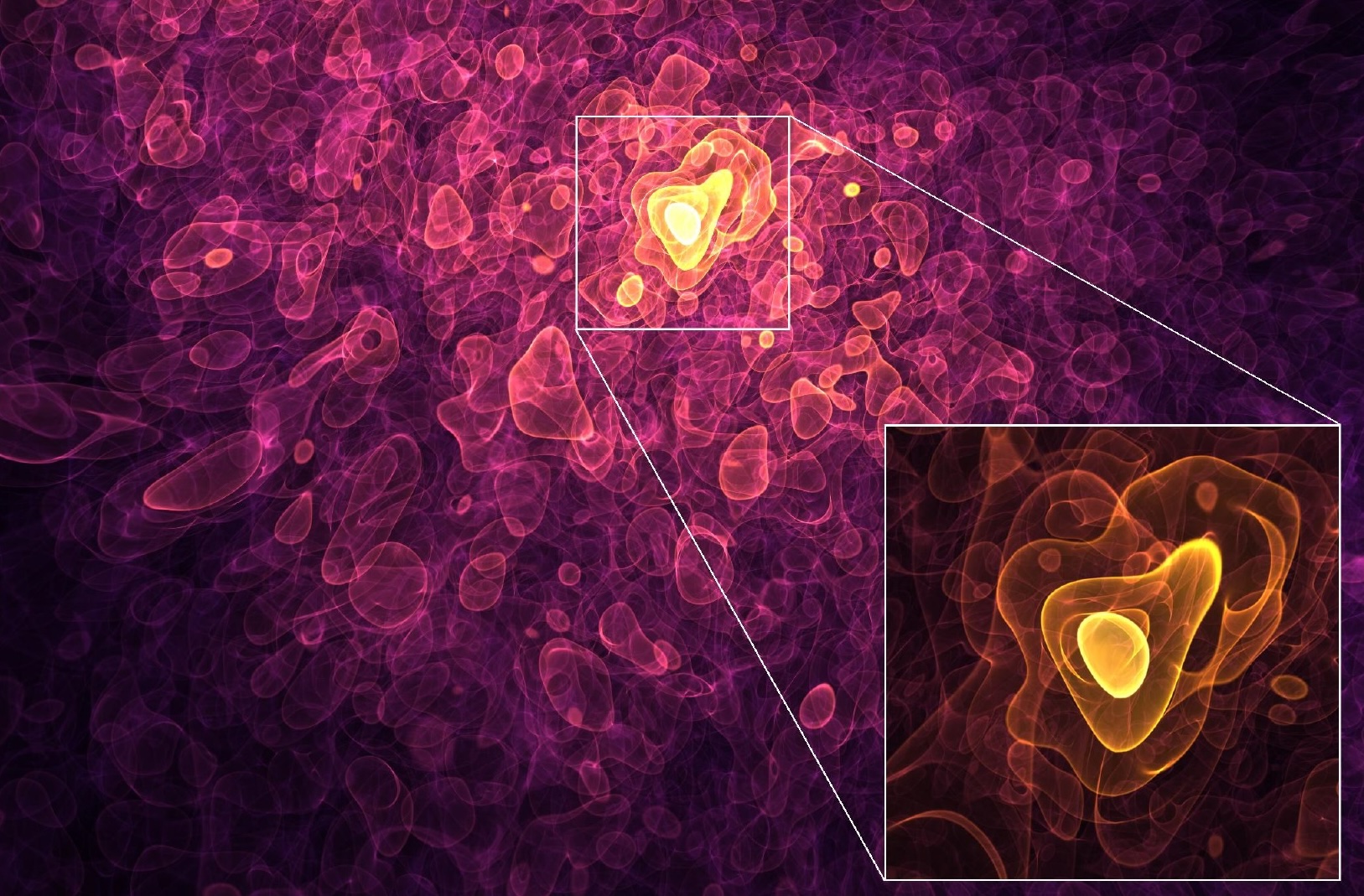
The Hunt for Ultra-Light Dark Matter: Listening to the Invisible
We usually imagine dark matter as a swarm of heavy, invisible particles. But are there other possibilities? What if dark matter isn't a storm of sand, but rather a vast, invisible ocean that hums?
The invisible web of dark matter makes up more than a quarter of the cosmos and indirectly affects all other forms of matter and energy through its gravitational pull. Astronomers derive its presence by observing stars, galaxies, clusters of galaxies, and a relict ancient light from a time when the Universe was only about 380 000 years old.
Despite decades of searching using ultra-precise detectors built with cutting-edge technology, we have never directly detected these dark matter particles in our laboratories. However, recent technological advances enable us to push the detection sensitivity to new levels; we are currently living through a golden age for dark matter science.
A Universe That Hums
The standard model of cosmology and dark matter struggles to explain certain fine-scale properties, such as the inner structure of dwarf galaxies or the abundance of satellite galaxies orbiting the Milky Way. Ultra-light dark matter, also called wave dark matter, is an entirely different proposition. In this concept, dark matter consists of particles so incredibly light that they behave more like waves moving through the cosmos rather than individual billiard balls.
Because ultra-light dark matter acts like a wave, we don't catch it by smashing atoms together. Instead, we "hear" it through careful listening. "Think of it as a background hum," explains Federico Urban of the FORTE team. " Latest advancements in the field of quantum sensing have led to a significant progression in laboratory searches for these signals."
At FORTE, we try to listen to the hum of the wave-like Universe through the distinctive approach of combining laboratory experiments with astrophysical observations. The FORTE team is tuning in across all frequencies to explore the unknown properties of dark matter, listening carefully to the whispers of the dark Universe.
Terrestrial Quantum Sensors:
For our research we use data from some of the most sensitive instruments ever built. We also design new experiments that are uniquely geared to catch the dark matter waves and, if we are successful, determine its properties such as its mass and how it interacts with light and ordinary matter.
Gravitating Seismographs: Gravitational wave detectors use lasers bouncing between mirrors to measure ripples in spacetime itself. If a dark matter wave washes through, it will set the mirrors trembling, creating shifting interference patterns that we can observe.
Quantum Echo Chambers: Experiments such as QUAX or MADMAX act like high-precision bells. We wait for the "wind" of dark matter to strike them, causing the resonant cavities to ring at a specific microwave frequency.
Atomic Rulers: Atom interferometers and atomic clock networks enable physicists to measure time and distance with extraordinary precision. If a wave of dark matter passes through the laboratory, it could subtly disturb the ticking of these clocks or the position of the atom clouds – and we can detect these tiny disturbances.
Levitated Sensors: Suspending tiny particles in vacuum using lasers or magnetic fields and monitoring their vibrations, enables physicists to detect waves of dark matter passing through.
The Cosmic Laboratory:
Our search doesn't stop at the laboratory door. The Universe itself provides us with natural detectors on a truly colossal scale. FORTE researchers analyse astrophysical data to find the fingerprints of ultra-light dark matter in the sky:
Cosmic Lighthouses: Astronomers monitor pulsars – dead stars that spin hundreds of times per second with an astonishingly regular frequency, beaming radio waves to the Earth like a lighthouse. They are amongst the most precise clocks in the entire Universe. If the space between Earth and a pulsar is filled with travelling dark matter waves, the arrival time of those flashes will flicker. We analyse data from pulsar timing arrays, a collection of radio telescopes observing pulsars, to hunt for these minute variations.
Black Hole Superradiance: Rotating black holes can “grow” a cloud of dark matter around them, similar to an electron cloud surrounding an atomic nucleus. This process, called superradiance, extracts rotational energy from the black hole, slowing its spin and emitting continuous gravitational waves that we can detect on the Earth; these gravitational waves then teach us about the dark matter clouds that triggered them.
Warped Galaxies: By using observations related to how star clusters, the dynamics of satellite haloes, and how stellar streams move around larger galaxies, we map the texture, called "granularity", of dark matter haloes to determine whether their motion matches the wave-like patterns predicted by our models.
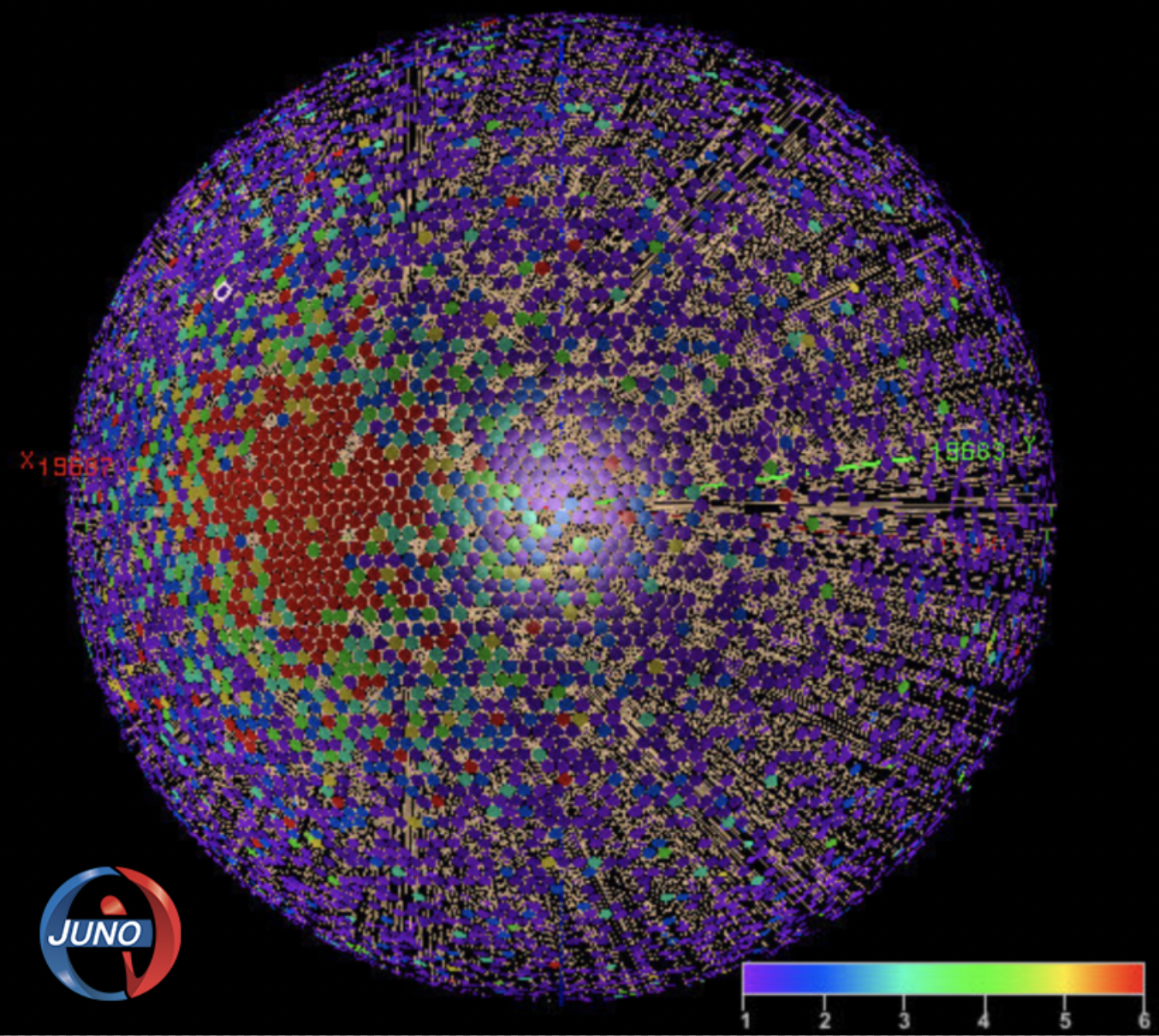
We know the first results of the JUNO Neutrino Experiment.
The Jiangmen Underground Neutrino Observatory (JUNO) marked a major milestone in August 2025 as it began recording physics data. Within just two months, the experiment delivered results that outperformed findings from international projects running for more than twenty years, highlighting the extraordinary capabilities of the detector.
Data gathered between 26 August and 2 November 2025 presents JUNO’s first scientific results, delivering the most accurate values to date of several key neutrino oscillation parameters. The findings open new implications for research into the origin of neutrino mass. [1], [2].
Determination of the value and the comprehension of the origin of neutrino masses and flavour mixing is connected to major open questions in cosmology and astrophysics, including the matter–antimatter asymmetry of the universe, the nature of dark matter, and the evolution of astrophysical objects. Such precise measurements of neutrino oscillation parameters open also the door to more accurate tests of the completeness of the three-neutrino model.
"JUNO is becoming a fundamental experiment for neutrino physics and neutrino cosmology in the coming decades." Vít Vorobel
“JUNO is becoming a fundamental experiment for neutrino physics and neutrino cosmology in the coming decades. By combining cosmological observations and beta decay research, JUNO's precise results will provide an unprecedented narrowing of the range of many models of neutrino mass origin and neutrino mixing, and for new physics beyond the Standard Model,” explains Vít Vorobel, who is scientific team leader of the Faculty of Mathematics and Physics at Charles University.
Neutrino oscillations indirectly indicate that neutrinos have non-zero masses, which is widely accepted as experimental evidence of physics "beyond the Standard Model." Neutrino oscillations are described by six parameters: two mass square differences ∆m221, ∆m232, three mixing angles θ12, θ13, θ23, and one phase δCP, which violates CP invariance. Currently, the value of δCP and the sign of ∆m322, which determines whether the neutrino state ν3 is heavier or lighter than the states ν1 and ν2, remain unknown – the so-called "neutrino mass ordering question."
Data collected by the JUNO experiment in the short time span between August 26 and November 2, 2025, provide the world's most accurate determination of two neutrino oscillation parameters. The accuracy of the mixing parameter sin2 θ12 was improved by a factor of 1.8 from 5.1% to 2.8% compared to previous measurements, and the precision of the mass square difference ∆m212 was improved by a factor of 1.5 from 2.5% to 1.6%.
JUNO is designed for 30 years of scientific operation with the possibility of upgrading to a world-leading experiment investigating double beta decay. Such an upgrade would determine the absolute values of neutrino mass and investigate whether neutrinos are Majorana particles. In doing so, it addresses fundamental questions linking particle physics, astrophysics, and cosmology that shape our understanding of the universe.
More about JUNO:
JUNO unites over 700 researchers from 74 institutions in 17 countries and regions, predominantly from China and Europe. Since the establishment oft he JUNO collaboration in 2013, a group of scientists and students from theFaculty of Mathematics and Physics of the Charles University has been an active member of the collaboration. The team leader is Vít Vorobel from the Institute of Particle and Nuclear Physics.
JUNO is in southern China near city Jiangmen Guangdong Province. The device is located 700 metres underground, capable of detecting antineutrinos produced by the Taishan and Yangjiang nuclear power plants, located 53kilometres away, and measuring their energy spectrum with the highest accuracy.Contrary to alternative approaches, the determination of the order of neutrino masses in the JUNO experiment does not depend on the effect of passing of neutrinos through the Earth's mass.
At the heart of the JUNO experiment there is a central liquid scintillator detector, located in the center of a cylindrical water pool. The stainless steel structure, with a diameter of 41.1 meters, supports an acrylic sphere filled with scintillator, with a diameter of 35.4 meters, 20,000 20" photomultipliers, 25,600 3" photomultipliers, electronics, cabling, magnetic field compensation coils, and optical panels. The photomultipliers operate independently, capturing light from scintillation interactions and converting it into electrical signals.